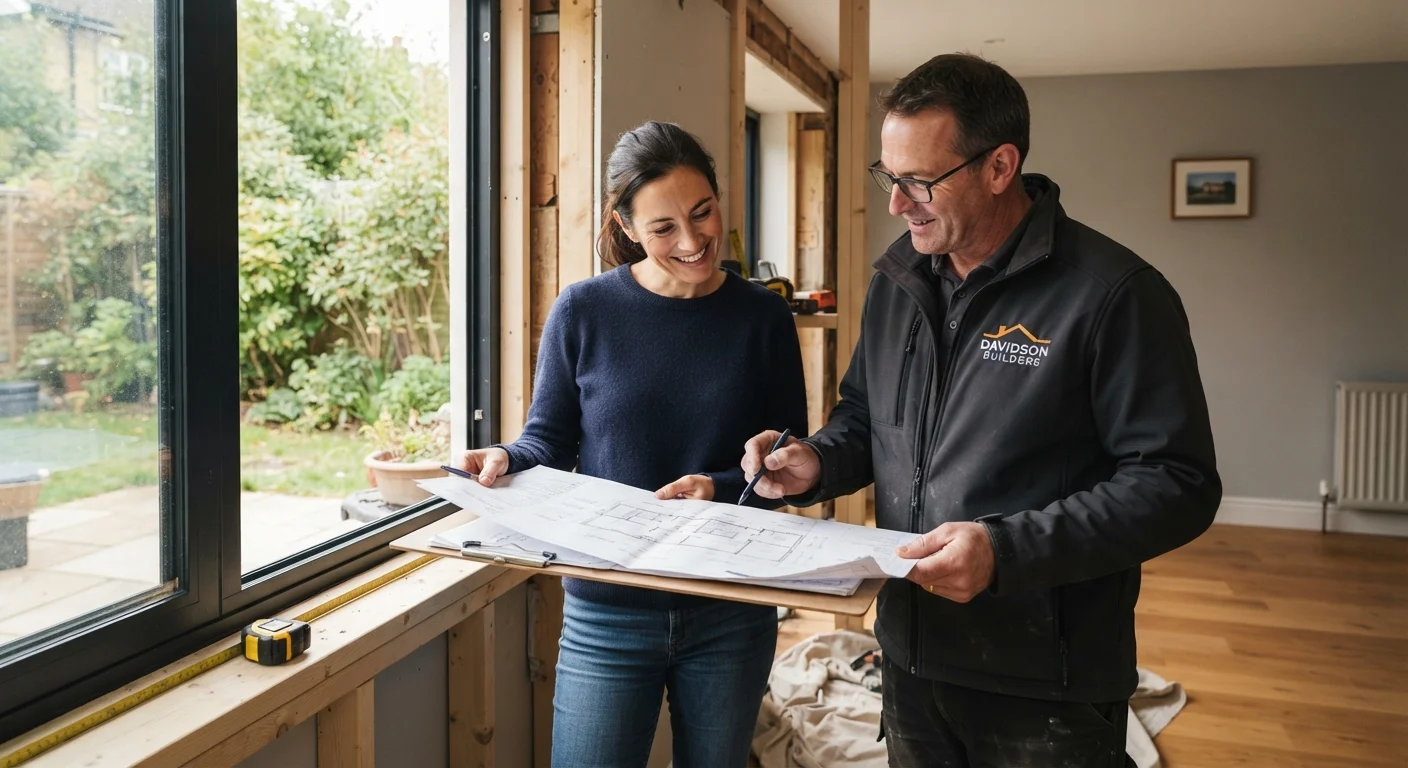
Your wall's construction and framing directly affect which window styles are structurally compatible.
Climate and local weather patterns should influence the window style and glazing you choose.
A qualified contractor should be able to explain trade-offs between operability, ventilation, and energy performance.
Permit requirements vary by location and window type — always confirm before installation begins.
Asking about lead times and installation complexity helps you plan your renovation realistically.
20–40 min
Summary
18 items · 20–40 minutes
Why These Questions Matter Before You Pick a Style
Choosing a window style — double-hung, casement, awning, picture, or sliding — feels like an aesthetic decision. In practice, it's also a structural, climatic, and budgetary one. The wrong style for your wall type or climate zone can mean drafts, difficult maintenance, or installation problems that inflate your final cost.
Most homeowners begin this conversation after they've already formed a preference. A better approach is to consult a licensed window contractor before settling on a style, using a focused set of questions to ground the decision in the specifics of your home. The checklist below gives you exactly that framework.
Ask whether your existing rough opening size limits which window styles can be installed without additional framing work.Must
Ask what type of wall construction you have — wood frame, masonry, or older plaster — and how that affects style compatibility.Must
Ask whether any load-bearing walls are involved and if widening or altering openings will require a structural engineer's sign-off.Must
Ask whether the existing window frame and sill are in good enough condition for a pocket replacement, or if a full-frame replacement is needed.Should
Climate, Ventilation, and Performance
Ask which window styles perform best for your climate zone — particularly for managing summer heat, winter cold, or high humidity.Must
Ask how the style you're considering affects natural ventilation, especially in rooms like kitchens or bathrooms.Should
Ask whether the proposed style supports the glazing options — such as triple pane or low-emissivity coatings — that suit your local weather.Should
Ask about air infiltration differences between operable styles (casement, awning) and fixed styles (picture windows) for your specific exposure.Nice to have
Permits, Codes, and Compliance
Ask whether changing your window style — not just replacing like-for-like — triggers a building permit requirement in your municipality.Must
Ask whether egress code requirements apply to any bedroom windows you're replacing, which can restrict which styles are permissible.Must
Ask whether your home is in a historic district or HOA jurisdiction that limits exterior window appearance or approved styles.Should
Installation Complexity and Timeline
Ask how installation time and labor cost differ between the styles you're considering, particularly if you're replacing multiple windows.Should
Ask what the lead time is for ordering your preferred style and whether supply delays could affect your project schedule.Should
Ask whether any style requires specialty hardware, custom sizing, or non-standard installation that could extend the timeline or raise the cost.Nice to have
Maintenance and Long-Term Usability
Ask how easy each style is to clean from inside — an important consideration for upper-floor windows or anyone with limited mobility.Must
Ask about the durability of operating mechanisms (cranks, locks, tilt latches) and whether parts are readily available for the styles you're considering.Should
Ask whether the frame material recommended for your preferred style — vinyl, wood, fiberglass, or aluminum — is appropriate for your climate and maintenance preferences.Should
Ask for an honest assessment of which styles tend to develop seal failures or operational problems over time in homes similar to yours.Nice to have
What to Do With the Contractor's Answers
After working through these questions, you should have a clearer picture of which styles are genuinely compatible with your home — and which ones a contractor may be steering you toward for reasons unrelated to your needs. If a contractor can't explain why a particular style suits your wall construction, climate, or usage pattern, that's worth noting.
Don't Assume One Style Fits Every Opening
A window style that works well on one side of your home may be poorly suited to another exposure — due to prevailing winds, sun angle, or wall depth. Ask your contractor to evaluate each opening individually rather than applying a single style throughout. Overlooking these differences is one of the more common sources of post-installation dissatisfaction.
Energy performance is closely tied to window style. Casement windows, for example, tend to seal more tightly than double-hung windows when closed, which affects air infiltration. To go deeper on that dimension, our energy performance questions checklist covers what to ask about ratings, glazing, and installation standards.
The goal of this process isn't to second-guess professionals — it's to arrive at a shared understanding so that the style you choose actually fits the home you have.
This article is for informational purposes only. Always verify local permit requirements and consult a licensed contractor for advice specific to your home's construction and location.
Window Replacement Editorial Team is the collective byline for our editorial team and contributor network. Articles published under this byline or an editorial pen name are researched, written, and reviewed according to our editorial standards for clarity, consistency, and independence before publication.
Disclaimer: The content on this site is for informational purposes only and is not a substitute for professional advice. Always consult a qualified professional for guidance specific to your situation.