

Key Takeaways
Why Getting Gutter Guards Wrong Is More Expensive Than Getting Them Right
Gutter guards seem straightforward — a protective layer over your gutters to keep debris out and water flowing freely. But the decisions homeowners make before a single bracket is fastened can determine whether they enjoy years of low-maintenance performance or face repeated clogs, water damage, and premature replacement costs.
The mistakes outlined here aren't obscure edge cases. They're the errors contractors encounter regularly, and they're almost always preventable with better information upfront. Understanding what gutter guard installation really involves — beyond the headline price — is a good place to start.
Common Gutter Guard Mistakes — and How to Avoid Them
Each of the following errors has a clear cause and a practical remedy. Review them before making any purchasing or installation decisions.
Choosing a guard style without considering your roof pitch or dominant debris type.
Why it happens: Most homeowners select gutter guards based on price or appearance rather than suitability. Marketing materials rarely explain that a micro-mesh guard designed for pine needles may perform poorly against large leaf debris, or that steep roof pitches can cause water to overshoot certain guard styles entirely.
Skipping a professional assessment and relying solely on online reviews or retail recommendations.
Why it happens: Online reviews reflect a wide range of home types, climates, and installation quality — none of which may match your situation. Retail staff typically aren't trained to assess roof compatibility, gutter condition, or local weather patterns.
Prioritising the lowest upfront cost over long-term performance and durability.
Why it happens: Budget pressure is real, and cheaper options appear to offer the same basic function. However, thin plastic or flimsy foam guards often degrade within a few years, sagging under debris weight or warping in heat and cold cycles.
Assuming gutter guards are entirely maintenance-free once installed.
Why it happens: Marketing language like "never clean your gutters again" creates a widespread misconception. Even high-quality guards can accumulate fine debris, shingle grit, and biological growth that reduces water flow over time.
Allowing improper or DIY installation that damages gutters, roofing, or voids warranties.
Why it happens: Many guard systems are marketed as DIY-friendly, but installation that requires fastening under roof shingles or modifying gutter angles carries real risk. Incorrect fitting can lift shingles, create entry points for moisture, and reduce the useful life of both the guard and the gutter.
If you're already noticing performance issues, these warning signs that gutter guards are failing can help you identify whether the problem is a bad fit, poor installation, or deferred maintenance.
The Bigger Picture: What Poor Decisions Actually Cost
Water Damage Doesn't Announce Itself Early
Fascia rot, soffit moisture damage, and foundation erosion caused by gutter overflow typically develop slowly and out of sight. By the time visible symptoms appear — peeling paint, sagging gutters, damp basement walls — the underlying damage can already be extensive. Acting on a poor gutter guard decision sooner rather than later significantly limits the downstream repair cost.
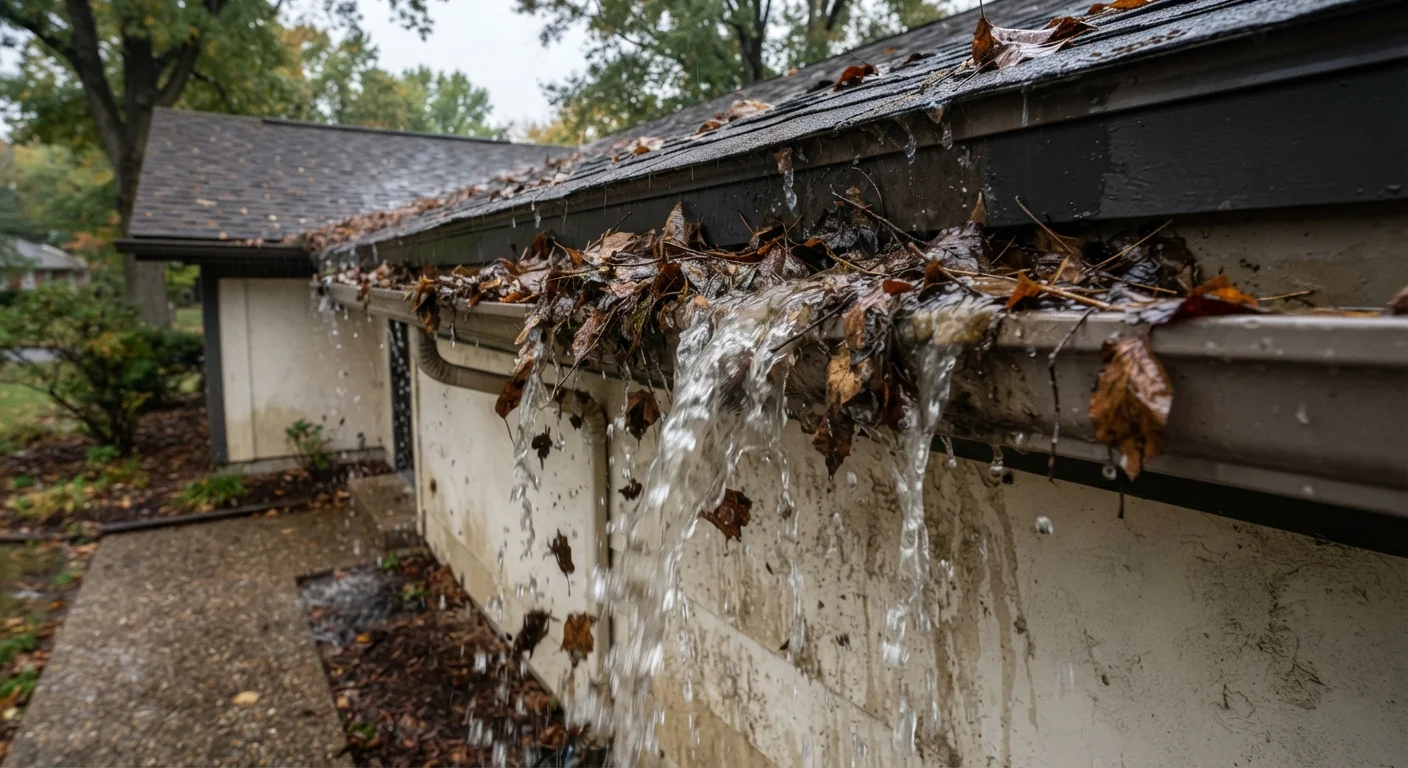
The financial consequences of a wrong gutter guard choice extend well beyond the cost of the guards themselves. Water that bypasses or overflows ineffective guards can damage fascia boards (the wooden boards behind your gutters), soffits (the underside of your roof overhang), foundations, and landscaping. These repairs can run into thousands of dollars — far exceeding what a properly matched guard system would have cost.
For a balanced look at upfront costs versus long-term value, see our article on weighing gutter guard value against installation costs. And if you're concerned about budget, it's also worth understanding common gutter guard cost myths before committing to a system.
This article provides general educational information about gutter guard selection. Costs, compatibility, and installation requirements vary by home, region, and product type. Always consult a qualified contractor before making decisions for your specific property.