

Key Takeaways
Why Roofing Estimates Don't Always Reflect the Final Bill
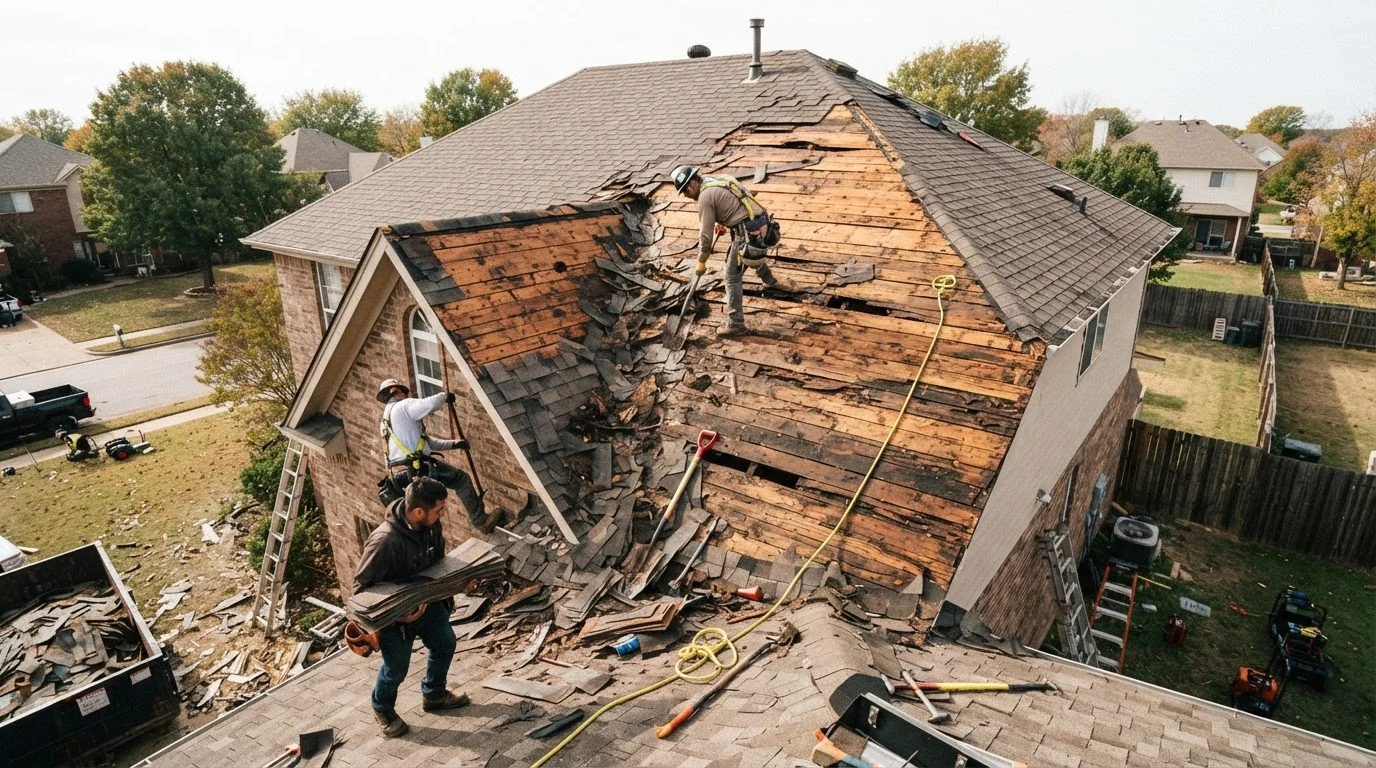
When a roofing contractor provides an estimate, they're typically working from what they can see: the condition of the shingles, the pitch of the roof, and the visible structure from ground level or a quick inspection. What lies beneath — the decking, insulation, ventilation pathways, and flashing — often can't be fully assessed until the old material is removed.
This isn't necessarily a sign of a dishonest contractor. It reflects the genuine uncertainty of roofing work. However, homeowners who aren't prepared for this reality can feel blindsided when additional charges appear mid-project. Understanding which costs commonly surface after work begins puts you in a much stronger position to plan, ask the right questions, and avoid unnecessary disputes.
For a broader view of how low bids can mask these exact issues, see why a low roofing bid can cost you more. And if you're still in the contractor selection phase, the Hiring a Roofer hub covers what to look for before you sign anything.
Common Hidden Costs — and the Mistakes That Let Them Catch You Off Guard
The following mistakes aren't about carelessness — they're patterns that catch even attentive homeowners off guard. Each one is avoidable with a little preparation.
Assuming the estimate covers all structural repairs, including decking replacement.
Why it happens: Most estimates are priced per square foot of roofing material and labor. Decking — the wooden boards underneath the shingles — is only inspected closely once the old shingles are removed.
Not accounting for flashing replacement around chimneys, skylights, and vents.
Why it happens: Flashing — the thin metal strips that seal roof transitions — is often corroded or improperly installed and not visible from a pre-project inspection. Some estimates bundle it in; many don't.
Overlooking the cost of correcting inadequate roof ventilation.
Why it happens: Ventilation deficiencies often go unnoticed because the symptoms — elevated heating and cooling bills, premature shingle wear — develop gradually. Many homeowners don't know their attic ventilation is insufficient until a roofer flags it. Poor ventilation can also affect your home energy costs; see why heating bills keep climbing for related context.
Forgetting to budget for permit fees and inspection costs.
Why it happens: Permit requirements vary by municipality and are easy to overlook, especially when comparing quotes that may or may not include them. Some contractors exclude permit costs to appear more competitive.
Not clarifying who is responsible for tear-off debris disposal.
Why it happens: Hauling away old shingles and materials involves dumpster rental and labor, which some contractors price separately or omit entirely from initial quotes.
Beyond the individual mistakes above, it's worth knowing that permit fees — often overlooked entirely — are a real and legitimate cost in most jurisdictions. Understand when your contractor is required to pull one by reading what roofing permits are for. Skipping a permit can affect your home insurance and resale value.
How to Plan Financially for a Roofing Project
10–15%
Recommended contingency buffer for roofing projects
Home improvement planning guidelines commonly suggest setting aside 10–15% above the base estimate to cover unforeseen repairs discovered during work.
30%
Roof replacements that uncover decking damage
Industry estimates suggest roughly one in three roof replacements on homes older than 20 years reveals some degree of decking rot or structural damage requiring repair.
Once you understand which costs might appear, the practical question is how to prepare for them. A contingency budget of roughly 10–15% above the quoted price is a widely recommended buffer for roofing projects, though your specific home's age and condition will influence how much cushion is appropriate.
If the overall cost is a concern, it's worth understanding the financing options available to you before work begins. Financing a new roof explains how common payment structures work, without pressure to choose any particular route.
Finally, protect yourself during payment by understanding deposit norms. Paying a roofer safely outlines what's standard practice and what should raise concern. Hidden costs are far less stressful when you've planned for them in advance and know your contractor is operating transparently.
This article is for general informational purposes only. Roofing costs, permit requirements, and code standards vary by location. Always verify local requirements and consult a licensed roofing professional before beginning any project.