

Key Takeaways
Why the Lowest Bid Is Not Always the Safest Bet
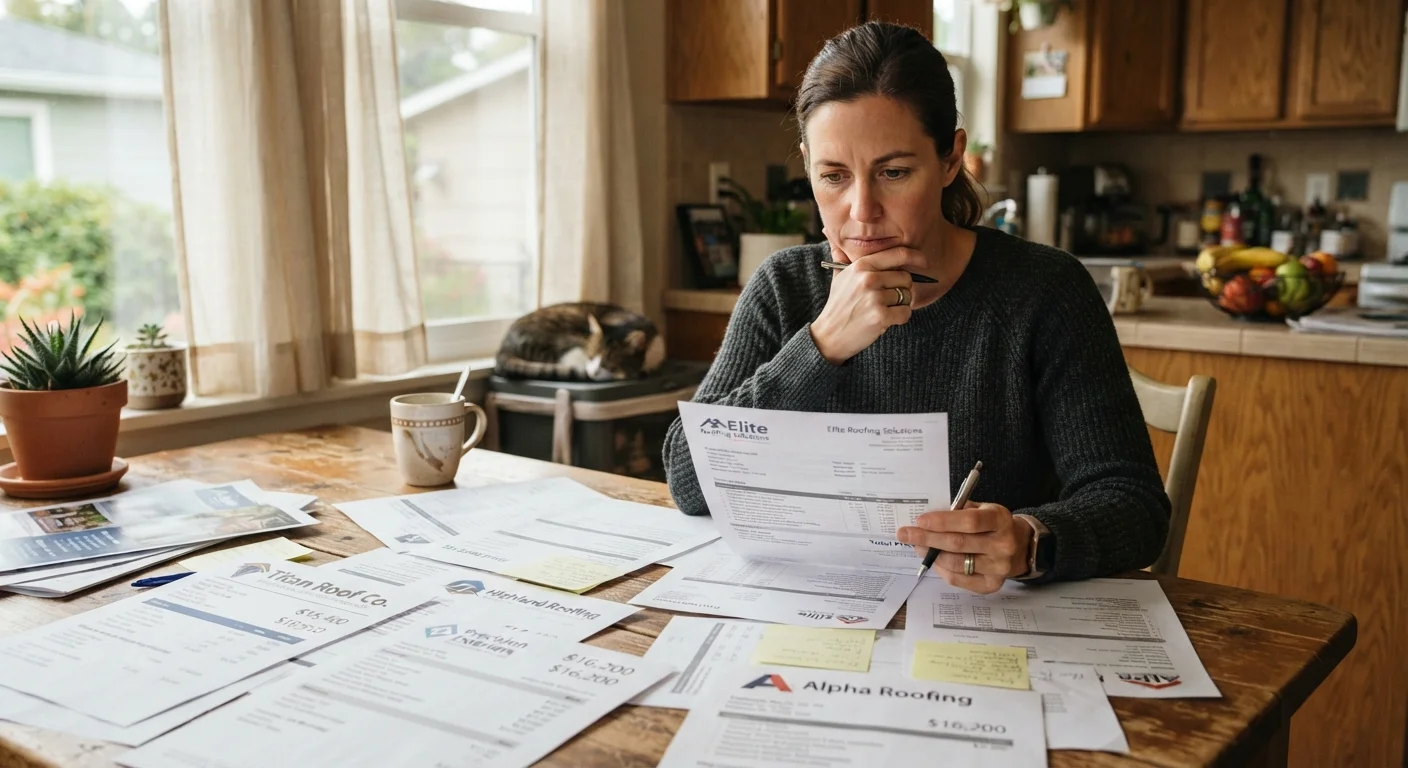
When roofing quotes arrive days apart and one sits noticeably below the others, it is natural to feel relieved. Roofing is expensive, and saving several thousand dollars sounds appealing. But a bid that undercuts fair market pricing by a significant margin usually does so for a reason — and that reason is rarely in your favour.
Legitimate contractors price their bids to cover quality materials, trained labour, proper disposal, business insurance, and local permit fees. When one quote is dramatically cheaper, something in that list is likely missing. Understanding what you are actually paying for in a roofing quote makes it easier to spot where corners may have been cut.
The financial risk is real. Poor installation can shorten a roof's lifespan by years, void manufacturer warranties, and create water damage that costs far more to repair than you saved on the original job. The sections below walk through the most common mistakes homeowners make when evaluating roofing bids — and how to sidestep each one.
Unlicensed Work Can Void Your Homeowner's Insurance
If a contractor performs roofing work without proper licences or permits and a problem later occurs — such as a leak causing interior damage — your homeowner's insurance company may deny the claim. Always verify that any contractor you hire holds a valid state or local licence and pulls the required permits before work begins. Contact your insurer in advance if you have questions about coverage requirements.
Common Mistakes When Evaluating Roofing Bids
Choosing a contractor based on price alone without reviewing what the quote actually includes.
Why it happens: Most homeowners lack roofing experience and assume all bids cover the same work, so the lowest number looks like the obvious choice.
Failing to verify the contractor's licence, insurance, and local standing before signing.
Why it happens: Homeowners often take a contractor's word for credentials, especially when the person seems professional and personable.
Not collecting at least three comparable bids before making a decision.
Why it happens: Getting multiple quotes feels time-consuming, and a persuasive contractor may encourage a quick decision.
Overlooking permit requirements and assuming the contractor will handle compliance.
Why it happens: Homeowners rarely know which jobs require permits, and some contractors deliberately avoid them to lower costs and speed up timelines.
Accepting a large upfront payment demand without understanding industry norms.
Why it happens: Homeowners may not know that reputable contractors rarely require more than a modest deposit before work begins.
Roof complexity also plays a role in whether a bid is realistic. A steeply pitched or architecturally detailed roof requires more labour and carries more risk for workers — factors that legitimate contractors build into their pricing. Our article on how roof size, pitch, and shape affect cost explains why two homes of similar square footage can attract very different quotes.
Door-to-Door Bids After Storms Carry Extra Risk
Following a major storm, some contractors travel door-to-door offering unusually fast, low-cost repairs. While not all are dishonest, this is a known setting for storm-chasing fraud. Take time to independently verify credentials rather than accepting any high-pressure, same-day offer. Your state attorney general's office or contractor licensing board can confirm whether a company is registered.
What a Trustworthy Bid Looks Like
A well-structured roofing quote gives you enough detail to understand exactly what you are buying. Look for written documentation that specifies material types and grades, the number of shingle layers being removed, underlayment and flashing details, a project timeline, warranty terms (both manufacturer and workmanship), and a clear payment schedule.
It should also confirm that the contractor will obtain all required local permits. Unpermitted work can create complications when you sell your home or file an insurance claim. For a full checklist of what to ask before you sign anything, see questions to ask when getting a roofing estimate.
If you are worried about costs you did not anticipate, our guide on hidden roofing costs that appear after work begins describes what legitimate contractors discover mid-project and how to handle those conversations fairly.
Choosing a contractor is ultimately about trust built on verifiable facts — licence numbers you checked, insurance certificates you reviewed, and references you actually called. A price that seems too good to be true almost always is.
This article is for general educational purposes only. Licensing requirements, permit rules, and standard contractor practices vary by state and locality. Always verify requirements with your local building authority and consult qualified professionals before starting any roofing project.