

Key Takeaways
Why Older Homes Are a Different Budget Category
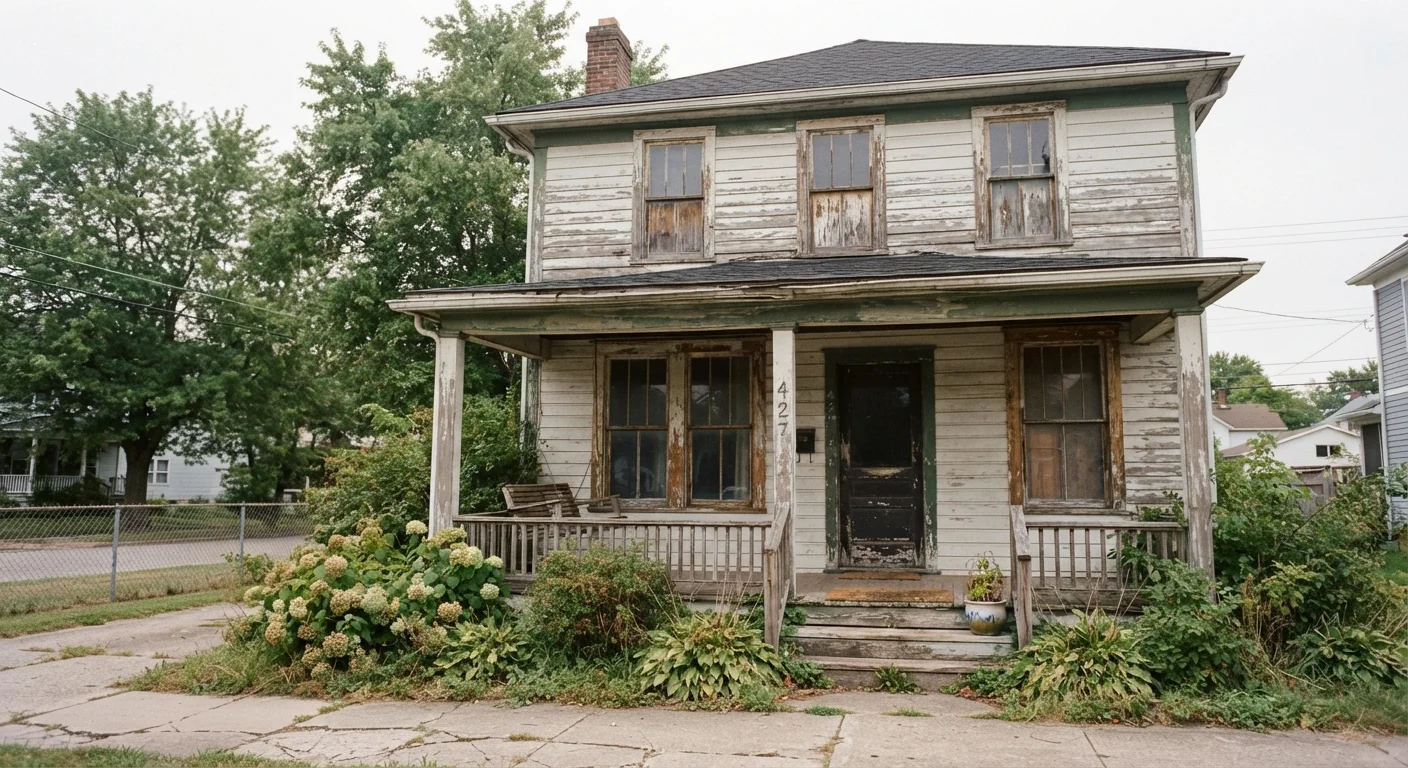
If your home was built before the 1980s, window replacement is rarely straightforward. Unlike newer construction with standardized openings and modern framing, older homes were built to specifications that varied by era, region, and builder. What looks like a simple swap can quickly reveal rotted wood, hazardous materials, or openings that don't match any stock window size on the shelf.
Understanding the specific cost factors tied to older construction helps you budget more accurately and avoid unpleasant surprises mid-project. For a broader overview of what replacement windows typically cost across all home types, see our guide to realistic starting costs.
Non-Standard Window Sizes
Homes built several decades ago were constructed with opening dimensions that don't align with today's standard manufactured window sizes. When a replacement window doesn't come close to the existing rough opening, contractors have two choices: order a custom-fabricated unit or modify the framing around the opening.
Custom windows cost more than stock sizes — sometimes significantly — and carry longer lead times. Frame modifications add labor hours. Either path raises the per-window cost compared to what you'd pay in a home built after the 1990s. For a deeper look at how opening dimensions drive pricing, see our article on how window size and shape affect price.
Non-standard openings often require custom orders or framing work, both of which add meaningful cost.
Lead Paint Presence and Remediation
Homes built before 1978 commonly have lead-based paint on window frames, sills, and surrounding trim. Under federal EPA regulations, contractors who disturb lead paint during renovation work must follow the Renovation, Repair and Painting (RRP) Rule — which requires certification, specific containment and cleanup procedures, and documentation.
This compliance adds both time and cost to the job. You may also need a separate lead test before work begins if the contractor isn't certain of the paint's age or composition. Budget for this as a real line item, not an afterthought. Skipping it isn't a legal option for certified contractors — and for good reason, given the serious health risks lead exposure poses.
Lead paint compliance under federal RRP rules adds certified labor, containment procedures, and documentation costs.
Rotted or Deteriorated Framing
Decades of moisture, drafts around ill-fitting frames, and deferred maintenance can leave the wood framing, sills, and rough openings in poor condition. This damage often isn't visible until an old window is removed. When a contractor finds rotted framing, it must be repaired or replaced before a new window can be properly installed.
Framing repairs add both materials and skilled labor to the bill — and because this work is discovered mid-job, it can be difficult to price in advance. Asking your contractor to assess frame condition before finalizing an estimate (where possible) can reduce surprises. Our guide to hidden costs covers this and other common mid-project cost escalators in detail.
Rotted framing discovered after window removal must be repaired before installation can proceed, adding unplanned expense.
Insert vs. Full-Frame Replacement
There are two primary approaches to replacing a window: insert replacement, which fits a new unit inside the existing frame, and full-frame replacement, which removes everything down to the rough opening and installs a completely new window and frame assembly.
Insert replacement is less disruptive and generally less expensive, but it only works when the existing frame is structurally sound and close enough to standard dimensions. In older homes with deteriorated or irregular frames, full-frame replacement is often the more appropriate — and more costly — choice. Understanding which method applies to your windows helps explain a large portion of the labor estimate you'll receive.
Full-frame replacement costs more than insert installation but is often necessary when older frames are damaged or irregular.
Historic District Rules and Permits
If your home sits in a designated historic district, window replacement may be subject to review by a local historic preservation commission. These bodies can restrict the type, appearance, or materials of replacement windows — sometimes requiring historically appropriate designs that cost more than standard modern units.
Even outside historic districts, many jurisdictions require permits for window replacement, particularly when structural changes to the opening are involved. Permit fees vary widely by municipality, and failing to pull a required permit can create complications when you sell the home. Always ask your contractor about permit requirements specific to your location — and verify independently with your local building department if you're unsure. If you're weighing how many windows to replace at once, this guide on replacing one vs. all windows can help frame that decision.
Historic district rules can limit your window choices to costlier period-appropriate designs, regardless of personal preference.
Energy Efficiency Upgrades Worth Considering
Older homes with single-pane or early double-pane windows are often strong candidates for energy efficiency improvements. Low-E (low-emissivity) coatings, inert gas fills between panes, and warm-edge spacer systems all contribute to better thermal performance — but each adds to the upfront cost of the replacement window unit.
For older homes with poor existing insulation around window openings, these upgrades may deliver meaningful reductions in heating and cooling costs over time. However, outcomes vary based on climate, usage patterns, and installation quality, so it's worth discussing realistic expectations with your contractor before deciding on a specification level. Our article on energy efficiency upgrades and pricing breaks down what each option typically adds to your cost.
Energy upgrades add upfront cost but may reduce long-term heating and cooling expenses in drafty older homes.
Putting It All Together Before You Get Quotes
Each of these factors compounds. A single window replacement in an older home might involve a custom-sized unit, lead paint remediation, rotted sill repair, and a permit — all at once. That's why estimates for older homes often run noticeably higher than comparable work on newer construction.
When getting quotes, ask contractors to walk through which of these factors apply to your specific home. A detailed, itemized estimate — rather than a single lump-sum figure — makes it much easier to understand what you're paying for and where costs might shift as work begins. You may also want to review hidden costs that can raise a window replacement bill before the first contractor visit.
This article is for general informational purposes only. Costs, code requirements, and material conditions vary by location and property. Always consult a licensed contractor and verify local permit requirements before beginning any replacement project.