

Key Takeaways
Why Window Replacement Bills Often Exceed Early Estimates
Getting a window replacement quote that later climbs significantly isn't unusual — and it's rarely the result of dishonesty. Most cost overruns stem from conditions that aren't visible during an initial walk-through, combined with line items homeowners didn't know to ask about. Understanding where surprises tend to come from puts you in a much stronger position to plan realistically.
For a grounded sense of what window replacement typically costs before factoring in extras, see our realistic starting point for window replacement costs. The mistakes below represent the most common ways a straightforward project gets more expensive mid-stream.
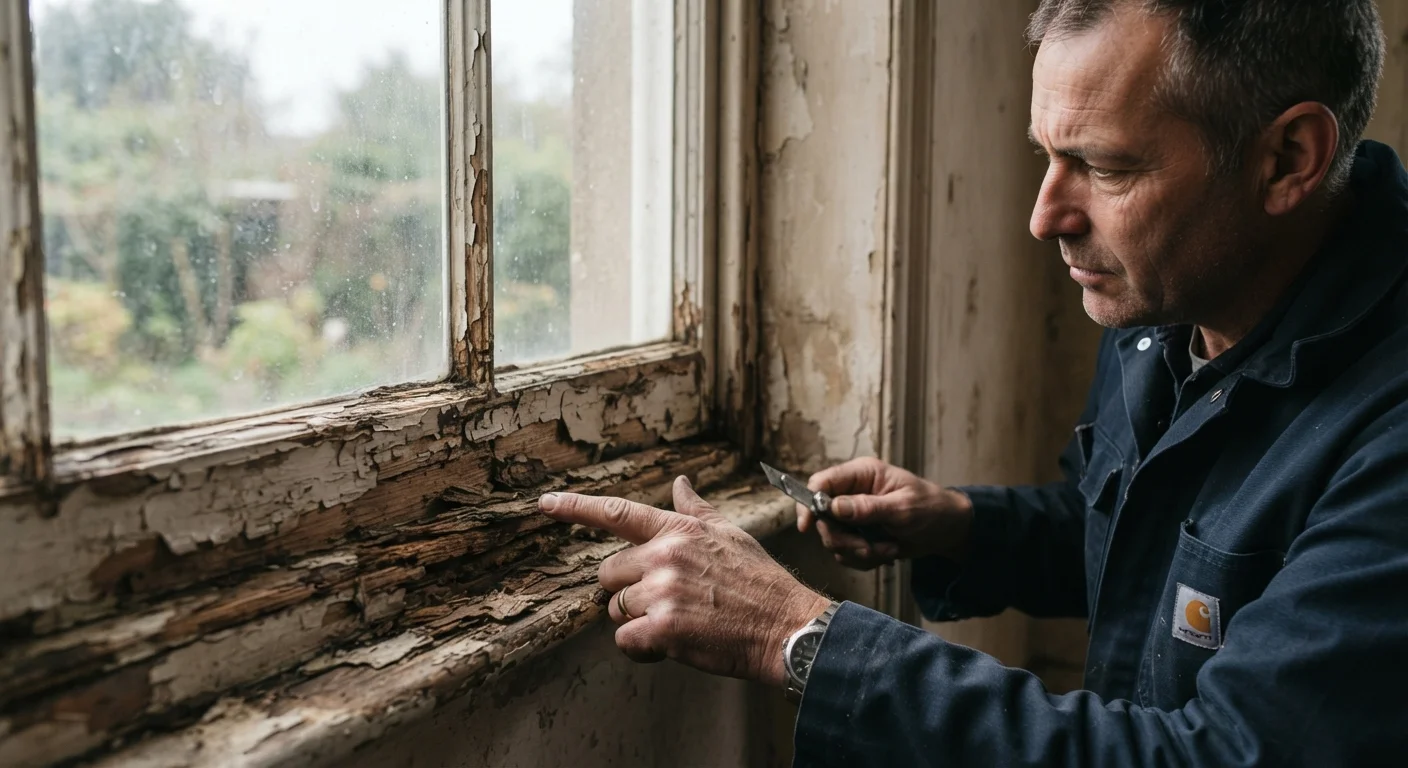
Accepting a quote that doesn't account for frame or sill rot.
Why it happens: Contractors often quote based on a visual inspection only, and structural rot beneath trim or siding isn't visible until the old window comes out.
Assuming permits are always included in the contractor's quote.
Why it happens: Permit requirements vary by municipality, and some contractors exclude permit fees from their base estimate, leaving homeowners to pay separately.
Not budgeting for lead paint testing or certified remediation in older homes.
Why it happens: Many homeowners are unaware that window replacement in homes built before 1978 can trigger lead-safe work requirements under federal rules.
Overlooking the cost impact of non-standard window sizes.
Why it happens: Homeowners often expect replacement windows to be straightforward swaps, not realizing that older or custom openings may require special-order units.
Ignoring disposal fees and interior finishing costs.
Why it happens: Low initial quotes sometimes exclude old window disposal, haul-away, or the cost of repainting and replacing interior trim disturbed during installation.
How to Protect Your Budget Before Work Begins
The single most effective thing you can do is ask detailed questions before signing a contract. Request an itemized quote that separates materials, labor, permits, disposal, and finishing work. Ask contractors what happens — and what it costs — if rot, lead paint, or non-standard sizing is discovered after the old windows come out.
Lead Paint Is a Regulated Hazard
Homes built before 1978 may contain lead-based paint around window frames. Under EPA rules, contractors certified in lead-safe work practices are required to follow specific containment and disposal procedures. This adds real cost to the project and is not optional. Ask any contractor working on a pre-1978 home how they handle lead paint compliance before signing anything.
Getting at least two or three quotes also helps you recognize when something has been omitted. If one estimate is dramatically lower than others, look closely at what it leaves out rather than assuming it's the better deal. For a fuller picture of everything that goes into the total bill, our complete homeowner overview of window replacement costs walks through each cost layer in detail.
Hidden costs are a reality in most home improvement projects, not just window replacement. Similar surprises appear in roofing projects once work is underway. Building a contingency of 10–15% into your window replacement budget is a practical way to absorb unexpected findings without derailing the project.