

Key Takeaways
Low-threshold entry reduces bathtub fall risk
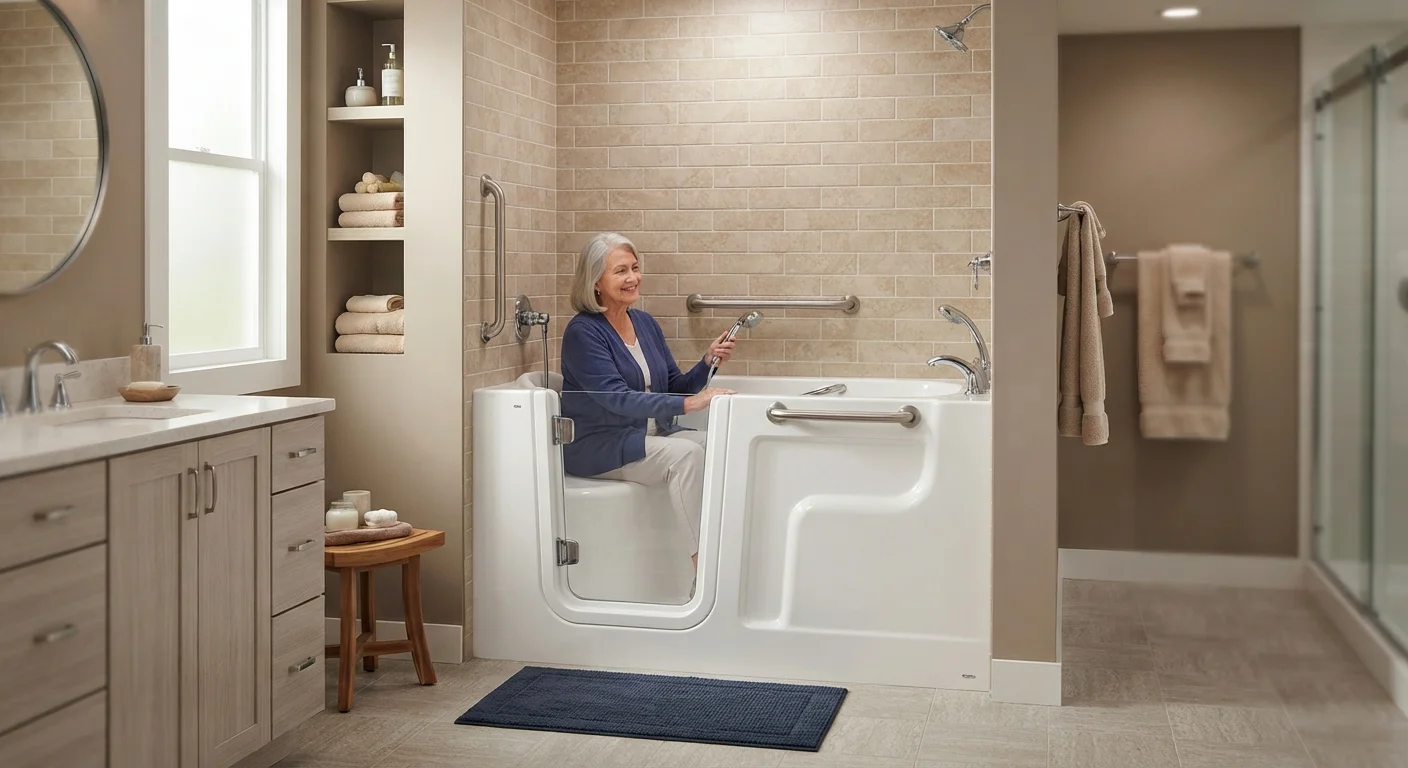
Traditional tubs require stepping over a high rim — a common source of falls for older adults. Walk-in tubs typically feature a door with a threshold of just a few inches, making entry and exit significantly safer.
Built-in safety features support independent bathing
Integrated grab bars, non-slip flooring, and a built-in seat allow users to bathe without assistance in many cases, supporting greater independence for people with limited mobility.
Hydrotherapy jets may ease chronic joint pain
Jetted and air bath models direct warm water or air bubbles against muscles and joints. Some users with arthritis or circulation conditions report meaningful comfort relief, though results vary by individual.
Sealed door design prevents water escape during bathing
When properly maintained, the door gasket creates a watertight seal that contains water effectively during use — a well-engineered feature when the seal is in good condition.
Must sit inside while tub fills and drains
The door must be closed before any water enters and cannot open until the tub fully drains afterward. This means every bath involves waiting inside the tub — which can feel uncomfortable, especially in a cold bathroom.
Door seals degrade and require periodic replacement
The rubber or foam gasket that keeps the door watertight is a wear part. Over time it can harden, compress unevenly, or crack — leading to leaks onto the bathroom floor if not replaced promptly.
Standard water heaters may run out before tub fills
Walk-in tubs typically hold more water than conventional tubs. Many standard residential water heaters don't have sufficient capacity, meaning homeowners may need to upgrade to a larger unit or a tankless system.
Installation cost is substantially higher than a standard tub
Beyond the unit itself, installation often requires plumbing modifications, electrical work for jets or heating elements, and potential bathroom floor reinforcement — all of which add to the total investment.
Resale appeal is limited for younger buyers
Walk-in tubs are a specialized product with a narrow demographic appeal. Some real estate professionals note that they can make a bathroom feel less universally functional to younger prospective buyers.
Our Verdict
Walk-in tubs offer genuine safety and therapeutic benefits for homeowners with mobility limitations, but they come with practical trade-offs — including cold water wait times, door seal upkeep, and higher installation costs — that are rarely explained upfront. Going in with realistic expectations makes it far easier to decide whether this option is truly the right fit.
Walk-in tubs are best suited to homeowners with limited mobility or chronic joint pain who use a bathtub regularly and have the bathroom space, plumbing capacity, and budget to support a full installation.
Why the Reality Often Surprises Homeowners
Walk-in tubs are marketed heavily to older homeowners as a straightforward safety upgrade. The reality is more layered. While these tubs genuinely reduce fall risk and can provide therapeutic comfort, they also introduce a set of daily use constraints that many buyers only discover after installation.
This article lays out both sides plainly — the genuine advantages and the practical frustrations — so you can make a clear-eyed decision before signing a contract. If you're weighing walk-in tubs against other accessible bathing solutions, our overview of walk-in showers may also help you compare.
The Real Advantages Walk-In Tubs Provide
Walk-in tubs do deliver on several important promises, particularly for homeowners managing mobility challenges or chronic pain.
Low-threshold entry reduces bathtub fall risk
Traditional tubs require stepping over a high rim — a common source of falls for older adults. Walk-in tubs typically feature a door with a threshold of just a few inches, making entry and exit significantly safer.
Built-in safety features support independent bathing
Integrated grab bars, non-slip flooring, and a built-in seat allow users to bathe without assistance in many cases, supporting greater independence for people with limited mobility.
Hydrotherapy jets may ease chronic joint pain
Jetted and air bath models direct warm water or air bubbles against muscles and joints. Some users with arthritis or circulation conditions report meaningful comfort relief, though results vary by individual.
Sealed door design prevents water escape during bathing
When properly maintained, the door gasket creates a watertight seal that contains water effectively during use — a well-engineered feature when the seal is in good condition.
The low-threshold door entry — typically just a few inches high — removes the single biggest fall hazard associated with traditional bathtubs. Built-in grab bars and slip-resistant floors add additional layers of protection that a standard tub simply doesn't offer.
For those with arthritis, fibromyalgia, or circulation issues, the hydrotherapy jets available on many models (explained in detail in our guide to soaker, jetted, and air bath options) can provide genuine relief. These are not trivial benefits — for the right homeowner, they represent a meaningful improvement in daily comfort and independence.
The Trade-Offs Rarely Discussed Before Purchase
Alongside those benefits come several practical realities that salespeople don't always volunteer upfront.
Must sit inside while tub fills and drains
The door must be closed before any water enters and cannot open until the tub fully drains afterward. This means every bath involves waiting inside the tub — which can feel uncomfortable, especially in a cold bathroom.
Door seals degrade and require periodic replacement
The rubber or foam gasket that keeps the door watertight is a wear part. Over time it can harden, compress unevenly, or crack — leading to leaks onto the bathroom floor if not replaced promptly.
Standard water heaters may run out before tub fills
Walk-in tubs typically hold more water than conventional tubs. Many standard residential water heaters don't have sufficient capacity, meaning homeowners may need to upgrade to a larger unit or a tankless system.
Installation cost is substantially higher than a standard tub
Beyond the unit itself, installation often requires plumbing modifications, electrical work for jets or heating elements, and potential bathroom floor reinforcement — all of which add to the total investment.
Resale appeal is limited for younger buyers
Walk-in tubs are a specialized product with a narrow demographic appeal. Some real estate professionals note that they can make a bathroom feel less universally functional to younger prospective buyers.
Drain Speed Matters More Than You Might Expect
Drain time on a walk-in tub is not just a minor inconvenience — it directly affects how long you sit in cooling water after your bath. Standard drains on many models can take five to ten minutes to empty the tub fully. Ask your contractor about fast-drain options before selecting a model, as some designs drain considerably faster than others. This single feature has a significant impact on day-to-day comfort.
The most commonly cited frustration is the wait time. Because the tub door must be closed before filling — and remain closed until the tub drains — users must sit inside while water fills around them and again while it empties after bathing. On a cold morning, this process can feel slow and chilly. A larger water heater is sometimes necessary to fill the tub with enough hot water, which adds to installation costs.
Door seals are another ongoing concern. The watertight gasket around the door is essential to prevent leaks, but it's also subject to wear. Seals can harden, crack, or lose their compression over time — leading to water seeping onto the bathroom floor. Most manufacturers provide replacement seals, but homeowners should factor in periodic maintenance when budgeting for this product long-term.
You can learn more about what the installation process involves — including plumbing modifications — in our plain-language installation overview.
What These Trade-Offs Mean for Your Decision
Understanding these limitations isn't meant to discourage you — it's meant to help you plan realistically. Homeowners who go in informed tend to be far more satisfied with the outcome than those who feel surprised later.
80%
Of bathroom injuries involve falls
The Centers for Disease Control and Prevention (CDC) has noted that bathrooms are among the most common locations for home fall injuries among adults aged 65 and older.
$5,000–$15,000+
Typical walk-in tub installed cost range
According to multiple home improvement cost references, total installed costs — including the unit, plumbing, and electrical work — commonly fall within this broad range depending on model and home conditions.
Before committing, it's worth asking your contractor specific questions about water heater capacity, drain speed, and seal warranty coverage. Our article on questions to ask a contractor before installation provides a structured list to guide that conversation.
It's also worth reading about common walk-in tub myths and why some installations go wrong before your project begins. The more clearly you understand what you're buying and who's installing it, the better positioned you'll be to avoid costly regrets.
This article is for general informational purposes only and does not constitute professional advice. Costs, product specifications, and installation requirements vary. Always consult a licensed contractor and verify local building code requirements before beginning any renovation project.