

Key Takeaways
Why Warning Signs Matter More Than You Might Think
Most heating systems don't fail without warning. Long before a furnace stops working entirely, it sends signals — odd sounds, inconsistent warmth, unexplained odors — that something isn't right. For homeowners with little experience evaluating HVAC equipment, it can be hard to know which signs to take seriously and which are minor quirks.
The answer, in most cases, is to take them seriously. A heating system that's straining or deteriorating will use more energy, deliver less comfort, and risk a full breakdown at the worst possible time. Recognizing the warning signs early and calling a qualified heating technician is nearly always the smarter and less expensive choice compared to waiting until the system fails completely.
This list covers the most common and important warning signs that your heating system needs a professional inspection — not a DIY fix. For gas and oil systems especially, some of these signs carry real safety implications. See our guide to heating safety and carbon monoxide risks for a deeper look at those hazards.
Unusual Noises During Operation
A well-functioning heating system runs with a low, steady hum. If you begin hearing banging, clanking, rattling, squealing, or rumbling — especially when the system starts up or shuts down — something mechanical has changed. These sounds can indicate loose components, a failing motor bearing, a cracked heat exchanger, or debris in the system. None of these resolve on their own, and some (particularly a cracked heat exchanger) carry carbon monoxide risks.
Banging, rattling, or squealing from your furnace are never sounds to ignore.
Uneven Heating from Room to Room
If some rooms feel comfortably warm while others stay stubbornly cold, that imbalance points to a system that isn't distributing heat properly. Common causes include blocked or leaking ductwork, a failing blower motor, an undersized or aging system, or zoning issues. While a closed vent might explain one cold room, persistent unevenness across your home warrants a technician's assessment rather than guesswork.
Persistent cold spots in your home are a sign the heating system needs professional evaluation.
A Sudden or Unexplained Rise in Energy Bills
If your utility bills climb noticeably from one winter to the next without a change in how you use your home, your heating system may be losing efficiency. Dirty burners, a clogged filter left too long, a failing heat exchanger, or general wear can all force the system to run longer and work harder to reach your thermostat's set temperature — burning more fuel in the process. This is one of the earliest and most measurable warning signs of a system under stress.
An unexplained spike in heating costs often means your system is working harder than it should.
Yellow, Orange, or Flickering Burner Flames
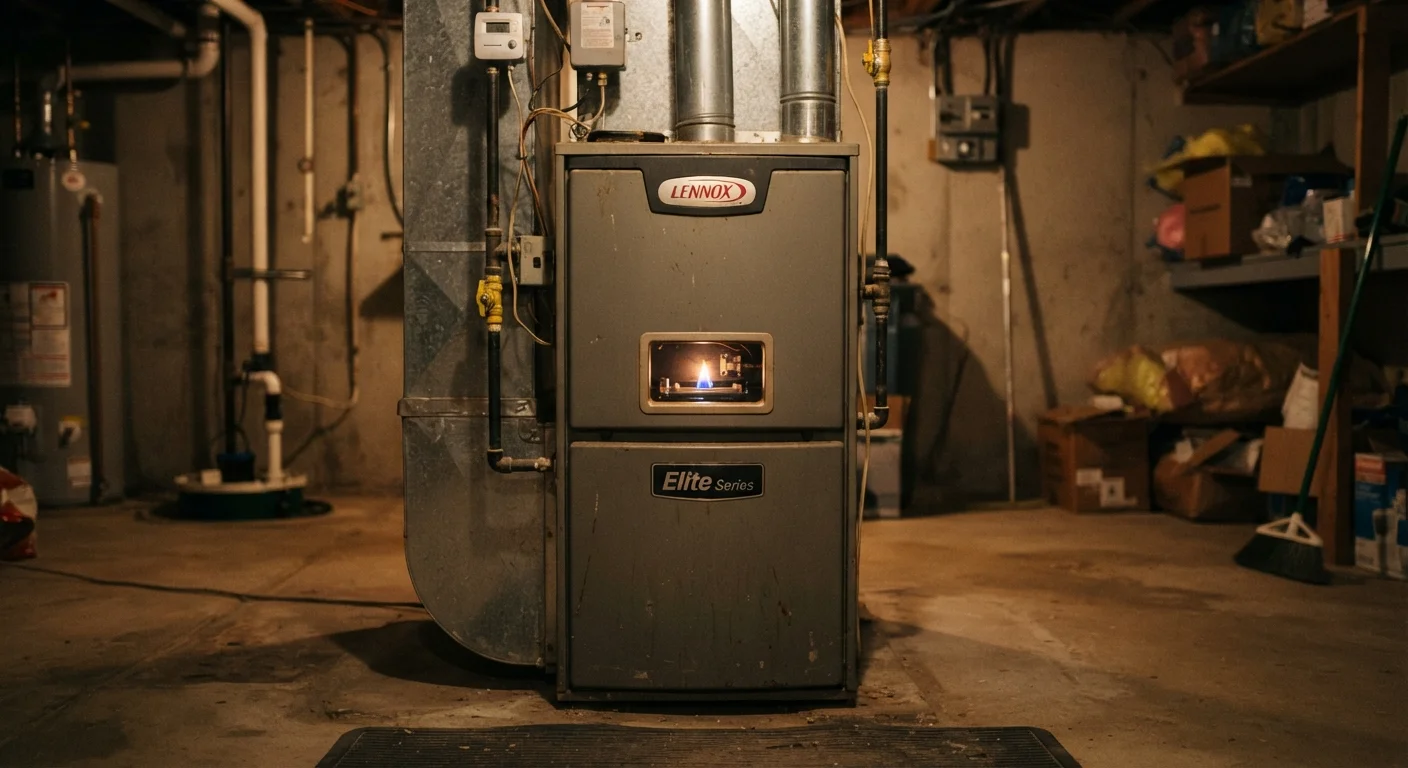
On a gas furnace, the burner flame should burn a steady blue, possibly with a small blue-orange tip. A yellow, orange, or flickering flame is a warning sign that the gas isn't combusting completely — a condition that can produce carbon monoxide. If you see this through your furnace's sight glass, turn the system off and call a licensed technician promptly. Do not attempt to adjust the burner yourself.
A yellow or flickering furnace flame is a potential carbon monoxide hazard — call a technician immediately.
The Smell of Gas, Burning, or Musty Odors
A faint dusty smell when you first turn on your heat in the fall is usually just settled dust burning off — it should clear within an hour. But a persistent burning smell, a rotten-egg odor (the added scent in natural gas), or a musty smell that doesn't go away are different matters entirely. Gas odors require immediate action: leave the home, avoid switches, and call your gas utility and a heating technician. Musty odors can indicate mold growth in ductwork. See our signs your home isn't breathing properly for more on air quality warning signs.
A gas smell indoors is a safety emergency — evacuate and call for help before anything else.
The System Short-Cycles or Runs Constantly
Short-cycling means your furnace or heat pump turns on, runs briefly, then shuts off before reaching the set temperature — repeating this cycle more often than normal. Constant running without reaching your target temperature is the opposite problem. Both indicate the system is struggling. Causes range from a dirty air filter or thermostat issue to an oversized or undersized unit, a refrigerant problem (in heat pumps), or a failing control board. A technician can identify the root cause quickly.
A system that cycles on and off frequently is working inefficiently and may be near failure.
Your System Is More Than 15 Years Old and Hasn't Been Serviced
Age alone isn't a reason to replace a heating system, but age combined with a lack of professional maintenance is a strong reason to schedule an inspection. Most residential furnaces have a lifespan of roughly 15 to 20 years when properly maintained. Older systems that have never been serviced are more likely to have accumulated issues — worn parts, dirty heat exchangers, degraded seals — that reduce safety and efficiency. An inspection tells you exactly where things stand.
An aging, unserviced heating system deserves a professional look before it fails without warning.
What to Do When You Spot a Warning Sign
If you recognize one or more of these signs in your home, the right next step is to contact a licensed heating technician for an inspection. Avoid attempting to open, adjust, or repair gas-fired or oil-fired equipment yourself — these systems involve combustion, pressurized components, and electrical connections that require professional training and, in many states, a license to service legally.
A professional inspection gives you a clear picture of what's happening and what it will take to fix it. If you've never had your system serviced, our annual heating system maintenance checklist is a helpful starting point for understanding what routine upkeep looks like. And if you're wondering what actually happens during a service call, what to expect during a heating system service visit walks you through the process from start to finish.
Schedule an Inspection Before Winter Peaks
Heating technicians are busiest when temperatures drop sharply — often in late fall and mid-winter. If you've noticed any of these warning signs, calling for an inspection in early fall gives you the best chance of getting timely service, avoiding emergency call rates, and having any needed repairs completed before cold weather arrives.
This article is for informational purposes only. Always consult a licensed HVAC professional for diagnosis and repairs to your heating system. Requirements for permits, licensed trades, and safety codes vary by location — verify local rules with your technician or municipal authority.