

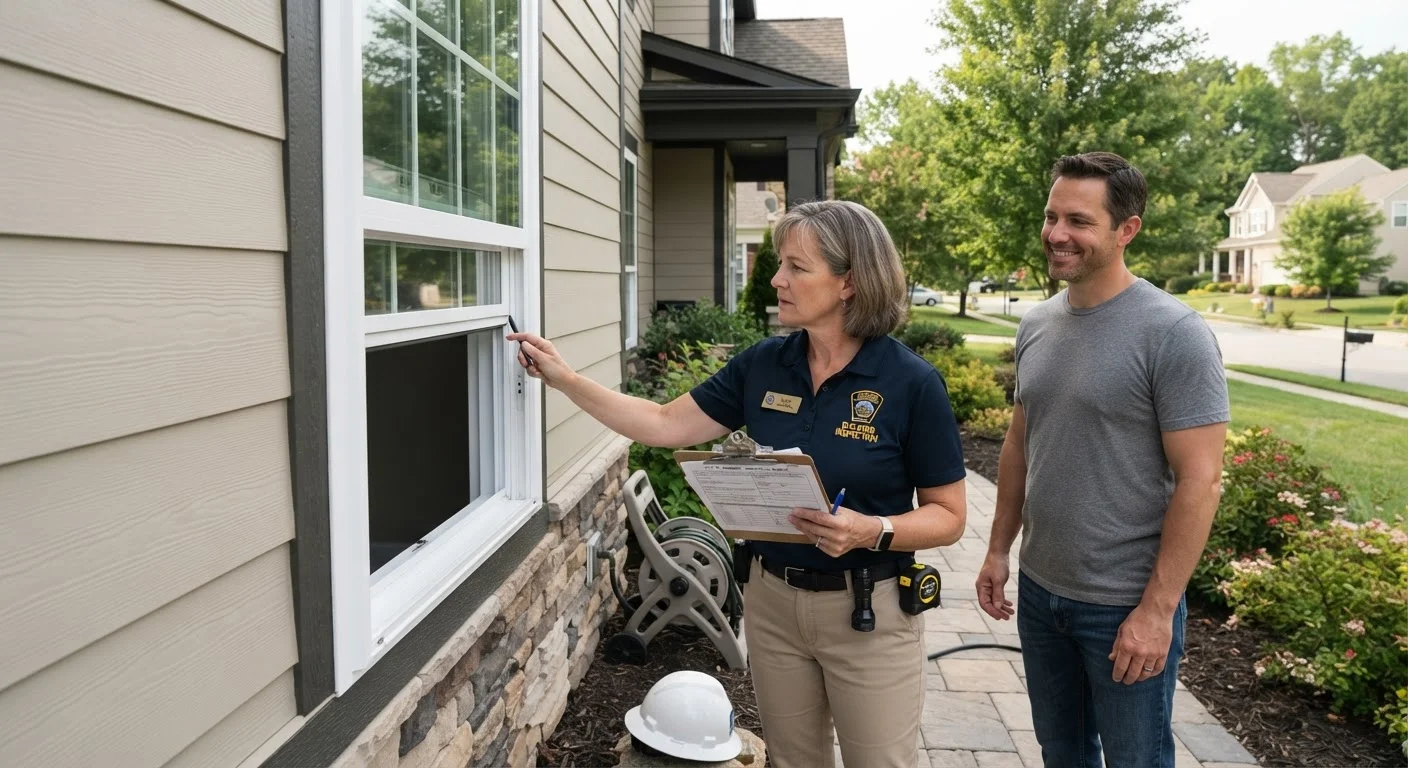
Do Window Replacements Require a Permit?
The short answer: it depends on where you live and what kind of replacement you're doing. Permit requirements are set at the local level — by your city, county, or municipality — so there is no universal rule that applies across the United States.
That said, a few general patterns hold true in most jurisdictions:
- Like-for-like replacements (same size, same location, no structural change) are commonly exempt from permits in many areas.
- Enlarging or relocating a window opening almost always requires a permit because structural framing is involved.
- Egress window changes — particularly in bedrooms — are frequently regulated because minimum size requirements exist for emergency exit purposes.
- Homes in historic districts may require design review approval in addition to standard permits.
Because rules vary so widely, the only reliable step is to contact your local building department before work begins. Many departments answer permit questions by phone or through an online portal at no cost. Your contractor should also know local requirements — and if they don't, that's worth noting before you hire them. See questions to ask a contractor before accepting an estimate to make sure permits are addressed in your conversation.
What Happens If You Skip a Required Permit?
Skipping a permit when one is required isn't just a paperwork issue — it can create real problems down the line:
- Resale complications. Home buyers' attorneys and title companies often flag unpermitted work during a sale. You may be required to retroactively permit the work, remove it, or accept a reduced offer.
- Insurance gaps. If damage occurs related to unpermitted work, your homeowner's insurance policy may deny a claim. Insurers expect work to meet local code.
- Fines and stop-work orders. Local authorities can issue fines or require removal of completed work if a required permit was not obtained.
- Safety concerns. Inspections exist partly to verify that structural openings, flashing, and weatherproofing meet minimum standards — protecting you from water intrusion and structural failure.
It's worth knowing that permit fees for window replacements — when required — are generally modest, often ranging from roughly $50 to a few hundred dollars depending on scope and location. These fees are sometimes overlooked in early budget conversations. For a fuller picture of what can add to your project cost, see our article on hidden costs that can raise a window replacement bill.
Similar permit dynamics apply to other home improvement projects. Roofing permits carry comparable stakes when skipped, and the same principle applies to accessibility renovations covered in our guide on bathroom renovation permits.
Energy Codes and Inspection Considerations
Even when a structural permit isn't required, replacement windows in many states must meet minimum energy performance standards set by state or local energy codes. These codes often reference NFRC ratings for U-factor (heat loss) and Solar Heat Gain Coefficient (SHGC), which measure how well a window insulates and how much solar energy it transmits.
If a permit is required, an inspection typically follows installation. The inspector generally checks:
- That the window unit matches what was approved
- That the rough opening was properly framed and sealed
- That flashing and weatherproofing were correctly installed
- That egress dimensions (where applicable) meet code
Older homes present additional considerations. If your home was built before 1978, lead paint rules under the EPA's Renovation, Repair, and Painting (RRP) Rule may apply when disturbing painted surfaces around window openings. Contractors working on pre-1978 homes are generally required to be RRP-certified. For a broader look at how older homes complicate window projects, see cost factors for replacing windows in an older home.
If you're also considering different window styles as part of your project, the window types and styles hub can help you understand what's available before you finalize decisions.
This article provides general educational information about permit and code considerations for window replacement. Requirements vary significantly by location and project scope. Always verify current rules with your local building department and consult a licensed contractor before beginning any work.