

| Number of panes in standard replacement windows | 2 (double-pane) or 3 (triple-pane) |
| Typical U-factor range for energy-efficient windows | 0.20–0.30 (ENERGY STAR program guidelines) |
| Primary window frame materials available | Vinyl, wood, fiberglass, aluminum, composite |
| Two main replacement installation methods | Insert (pocket) replacement and full-frame replacement |
| Gas fills used in insulated glass units | Argon (most common) or krypton |
| Permit commonly required for | Full-frame replacements affecting structural opening (Requirements vary by local jurisdiction) |
Why Window Vocabulary Matters Before You Get Quotes
Walking into a contractor conversation without knowing the language puts you at a disadvantage — not because contractors are untrustworthy, but because miscommunication about parts, measurements, or features can lead to quotes that don't reflect what you actually want. When a salesperson mentions a "low-e coating" or asks whether you want "simulated divided lites," you deserve to know exactly what those phrases mean before you agree to anything.
This glossary covers the core terms you're likely to encounter during any window replacement project. Use it as a reference before appointments, while reading estimates, or any time a term catches you off guard. For a deeper look at energy-related terms — U-factor, SHGC, and more — see our full energy efficiency overview once you've built your foundation here.
Sash
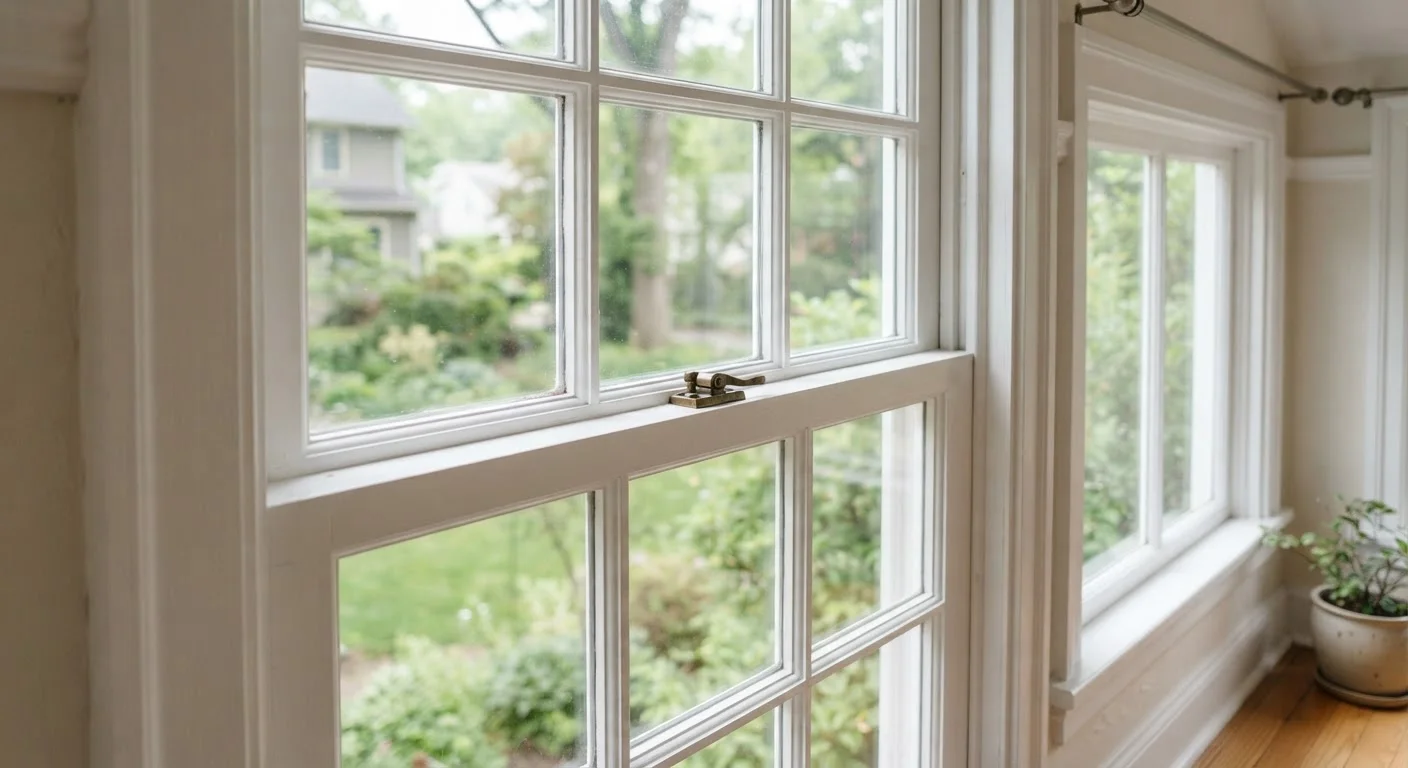
The inner frame that holds the window glass. In operable windows, the sash is the part that moves — slides up, swings out, or cranks open — to allow ventilation.
Jamb
The vertical side members of a window frame. The head jamb is the horizontal piece at the top. Jamb extensions fill the depth of thick walls so trim can be applied flush.
Muntin
Thin bars that divide a window into smaller glass sections. Modern windows often use decorative snap-in grilles that mimic muntins rather than true structural dividers.
Glazing
The glass component of a window, or the process of fitting glass into a frame. The term also refers to the sealant compound used to secure and weatherproof the glass.
U-Factor
A rating that measures how quickly a window loses heat to the outside. Expressed as a decimal; lower values indicate better insulating performance.
Low-E Coating
A nearly invisible metallic film applied to window glass that reflects heat energy while permitting daylight to pass through. It helps reduce heating and cooling loads without significantly affecting visibility.
Flashing
Thin strips of metal or waterproof membrane installed around the outside of a window opening. Flashing channels water away from the wall assembly and is essential for preventing moisture damage.
Rough Opening
The framed hole in the wall structure where a window will be installed. Contractors measure the rough opening to ensure the new window unit will fit correctly with room for adjustment and insulation.
SHGC
Solar Heat Gain Coefficient — a rating from 0 to 1 measuring how much solar heat a window transmits. Lower values block more solar heat, which is generally preferred in warmer climates.
Insert Replacement
A window installation method in which a new window is placed inside the existing frame without removing the surrounding wall trim or exterior cladding. Best used when the existing frame is still in good condition.
Argon Fill
A non-toxic inert gas sealed between panes of insulated glass to improve thermal performance. Argon conducts heat less efficiently than air, helping slow heat transfer through the window.
Casing
The molding or trim applied around the inside — and sometimes outside — of a window frame to cover the joint between the frame and the wall surface.
Parts of a Window: The Anatomy You'll Hear About
Contractors frequently reference specific window components when describing what needs to be replaced, repaired, or upgraded. Understanding these parts helps you evaluate whether a quote is appropriately scoped.
| Number of panes in standard replacement windows | 2 (double-pane) or 3 (triple-pane) |
| Typical U-factor range for energy-efficient windows | 0.20–0.30 (ENERGY STAR program guidelines) |
| Primary window frame materials available | Vinyl, wood, fiberglass, aluminum, composite |
| Two main replacement installation methods | Insert (pocket) replacement and full-frame replacement |
| Gas fills used in insulated glass units | Argon (most common) or krypton |
| Permit commonly required for | Full-frame replacements affecting structural opening (Requirements vary by local jurisdiction) |
Frame and Structural Parts
- Frame: The rigid outer border that holds the entire window unit in the wall opening. Frames come in wood, vinyl, aluminum, fiberglass, and composite materials, each with different maintenance and performance profiles.
- Jamb: The vertical sides of the frame (side jambs) and the top horizontal piece (head jamb). When a contractor talks about "jamb extensions," they mean the added depth needed to fill a thick wall.
- Sill: The horizontal ledge at the very bottom of the window frame, both inside and outside. A sloped exterior sill helps drain water away from the house.
- Sash: The movable (or fixed) inner framework that holds the glass panes. In a double-hung window, both the upper and lower sashes can move independently.
Glass and Glazing Parts
- Pane / Lite: A single piece of glass. "Double-pane" means two glass layers; "triple-pane" means three. More panes generally improve insulation.
- Muntin: The thin strips that divide a window into smaller panes. On older windows these held real individual glass pieces; today they're often decorative overlays called simulated divided lites.
- Glazing: Any glass in the window, and also the process of installing it. "Glazing compound" is the sealant that holds glass in place.
- Spacer: The bar between two panes of glass in an insulated unit. Spacers can be filled with desiccant to absorb moisture and prevent fogging.
Performance Terms You'll See on Quotes and Labels
Beyond the physical parts, contractors and product labels use a set of performance terms that describe how well a window manages heat, cold, and light. These directly affect your comfort and energy bills, so they're worth understanding even at a basic level.
- U-Factor: Measures how much heat a window loses. Lower numbers are better — a U-factor of 0.25 loses less heat than one of 0.35.
- SHGC (Solar Heat Gain Coefficient): Measures how much solar heat passes through the glass. Lower SHGC is preferable in hot, sunny climates; higher SHGC can be beneficial in cold climates for passive solar heating.
- Low-E Coating: A microscopically thin metallic coating applied to glass to reflect infrared heat while letting visible light through. It can reduce energy loss significantly without noticeably darkening the glass.
- Argon Fill: An odorless, non-toxic gas sometimes pumped between panes of insulated glass to slow heat transfer better than air alone. Krypton gas is also used but is less common and more expensive.
- ENERGY STAR®: A U.S. Environmental Protection Agency certification program. Windows meeting regional ENERGY STAR criteria have passed standardized performance thresholds — but certification requirements vary by climate zone, so ask your contractor which zone applies to your home.
If a contractor uses any of these terms in a quote but doesn't explain them, it's entirely reasonable to ask for clarification. Contractors who work with homeowners regularly expect these questions.
Installation and Project Terms Worth Knowing
The terms below come up during project planning, contractor visits, and final walkthroughs. Familiarity with them helps you confirm that the work being proposed is appropriate for your situation.
- Rough Opening: The framed hole in the wall before any window is installed. Contractors measure the rough opening to determine which window sizes will fit.
- Flashing: Metal or membrane material installed around the window's exterior perimeter to direct water away from the wall. Properly installed flashing is critical to preventing water intrusion and rot.
- Insert / Pocket Replacement: A method where the new window fits inside the existing frame, leaving the original frame in place. Less disruptive and usually less expensive than full-frame replacement, but only appropriate when the existing frame is structurally sound.
- Full-Frame Replacement: Removal of the entire existing window assembly, including the frame, down to the rough opening. Required when frames are rotted, damaged, or significantly out of square.
- Casing: The decorative molding applied around the interior and sometimes exterior of a window to cover the gap between the frame and the wall surface.
Window replacement projects often require a building permit, particularly for full-frame replacements that affect the structural opening. Requirements vary by municipality, so confirm with your local building department before work begins. A reputable contractor will typically handle permits as part of the project scope — ask about this upfront.
Once you're comfortable with the terms above, you may want to explore window styles that go beyond the standard options. Our guide to awning, hopper, and jalousie windows covers styles that solve specific ventilation and space challenges many homeowners don't realize are available to them.