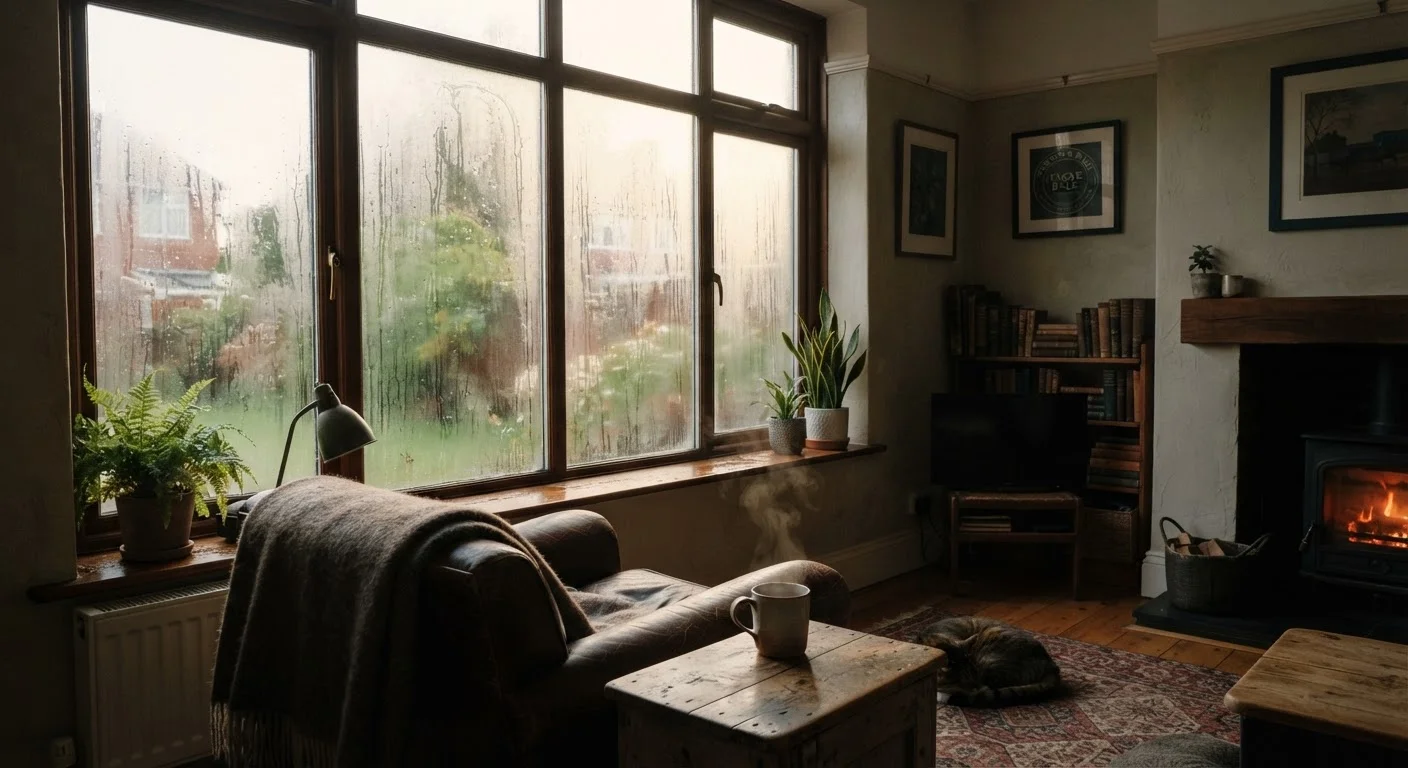
Condensation on windows and musty odors are early, reliable indicators of a ventilation problem.
Poor indoor air quality can affect your health, particularly for older adults spending more time at home.
Many warning signs are visible and easy to check without any special tools.
A professional HVAC assessment is the safest next step if multiple signs are present.
Catching ventilation issues early can prevent structural damage like mold and wood rot.
20–40 min
Summary
18 items · 20–40 minutes
Why Ventilation Warning Signs Deserve Your Attention
Most homes lose proper ventilation gradually — not all at once. Gaps seal up, exhaust fans age, and insulation improvements (however well-intentioned) can inadvertently trap stale air inside. The result is a slow buildup of moisture, pollutants, and odors that many homeowners chalk up to normal wear and tear.
If you're spending more time at home, that indoor air quality matters more than ever. As we explain in our companion piece on what home ventilation actually does, the effects are especially significant for adults over 50 whose respiratory systems may be more sensitive to airborne irritants.
The checklist below gives you a practical room-by-room framework to spot the most common warning signs. You don't need any technical expertise — just your eyes, nose, and about 30 minutes.
Moisture and Condensation
Check your windows for persistent condensation on the inside of the glass, especially in winter — this indicates excess indoor humidity that ventilation isn't clearing.Must
Inspect walls and ceilings near exterior corners for water stains, bubbling paint, or soft drywall, which can signal trapped moisture.Must
Look for black or green mold spots in bathrooms, around window frames, or under sinks — these thrive where moisture accumulates and air doesn't circulate.Must
Feel wooden window sills, door frames, and baseboards for softness or warping, which suggests prolonged moisture exposure.Should
Odors and Air Quality
Walk through each room and note any persistent musty or stale smell — this is one of the most reliable signs of inadequate air exchange.Must
Notice whether cooking smells, smoke, or chemical odors linger for hours after their source is removed; good ventilation clears these within minutes.Must
Check whether odors are worse in certain rooms, particularly basement areas or bathrooms without windows or exhaust fans.Should
Health and Comfort Symptoms
Notice if you or household members experience recurring headaches, eye irritation, or fatigue indoors that ease when you go outside — these can be signs of poor air quality.Must
Track whether allergy or asthma symptoms seem worse at home than elsewhere, which can indicate elevated dust, mold spores, or indoor pollutants.Must
Pay attention to excessive dryness or stuffiness in the air during winter months; both extremes suggest the ventilation system isn't balancing humidity properly.Should
Mechanical and Structural Checks
Turn on each bathroom and kitchen exhaust fan and hold a piece of tissue near the intake grille — if it doesn't pull toward the fan, the fan may be failing or the duct may be blocked.Must
Inspect visible ductwork in basements and attic spaces for disconnected joints, visible gaps, or crushed sections that restrict airflow.Should
Check exhaust fan vents from outside the home to confirm they actually exit through the exterior wall or roof — not just into the attic, which causes serious moisture damage.Must
Look for excessive dust buildup on supply and return air vents throughout the house, which can indicate a clogged filter or inadequate air circulation.Should
Confirm your HVAC air filter has been replaced within the last 1–3 months; a saturated filter dramatically reduces airflow through the whole system.Must
If you have an older home, check whether attic ventilation vents (soffits, ridge vents) are open and unobstructed by insulation or stored items.Should
Note any rooms that are consistently much warmer or cooler than others — uneven temperatures can point to blocked ducts or imbalanced airflow.Should
Consider having a carbon monoxide detector in place if you have gas appliances — verify it is within its expiry date and functioning correctly.Nice to have
What to Do If You Checked Several Boxes
Identifying one or two signs doesn't always mean a major problem, but a pattern of several signs across multiple rooms is a strong signal that your home's ventilation system needs professional attention. Issues like persistent mold, chronic condensation, or health symptoms that improve when you leave the house warrant a call to a qualified HVAC technician sooner rather than later.
Don't Attempt Duct or Fan Repairs Without Professional Guidance
Modifying ductwork, exhaust fan wiring, or attic ventilation involves electrical components and may require a permit in many jurisdictions. Incorrectly sealed ducts or rerouted exhausts can make air quality significantly worse. Always have a licensed HVAC technician assess and carry out any repairs, and verify local code requirements before starting any work.
Invisible threats such as radon, carbon monoxide, and volatile organic compounds (VOCs) can also build up in under-ventilated homes. These are covered in detail in our article on radon, carbon monoxide, and VOCs — essential reading if your home scored poorly on this checklist.
It's also worth separating fact from common assumption before you act. Many homeowners make costly decisions based on ventilation myths — for instance, believing that simply opening windows is always enough, or that a tightly insulated home is automatically a healthy one. Our article on ventilation myths that lead to costly decisions breaks those down clearly.
This article is for informational purposes only. Always consult a licensed HVAC professional before undertaking any changes to your home's ventilation system. Local building codes and permit requirements vary — verify requirements with your local authority.
HVAC Essentials Editorial Team is the collective byline for our editorial team and contributor network. Articles published under this byline or an editorial pen name are researched, written, and reviewed according to our editorial standards for clarity, consistency, and independence before publication.
Disclaimer: The content on this site is for informational purposes only and is not a substitute for professional advice. Always consult a qualified professional for guidance specific to your situation.