

Key Takeaways
Exceptional lifespan of 40–70 years
Metal roofs substantially outlast standard asphalt shingles, meaning most homeowners will not need to replace the roof again during their lifetime.
Strong performance in extreme weather
Metal sheds snow efficiently, resists wind uplift, and is non-combustible — advantages that matter in snowy, high-wind, or wildfire-risk regions.
Lower long-term maintenance demands
While not maintenance-free, metal requires less frequent upkeep than wood shake or asphalt, reducing the ongoing cost of ownership over time.
Reflects solar heat, potentially reducing cooling costs
Many metal roofing finishes reflect radiant heat rather than absorbing it, which can ease air conditioning load during hot summers.
Significantly higher upfront installation cost
Metal roofing installation typically costs two to three times more than comparable asphalt shingle work, which can be a barrier for homeowners on a fixed budget.
Increased noise during rain and hail
Without adequate insulation and solid sheathing, precipitation can be noticeably louder on a metal roof than on asphalt or tile, though proper installation mitigates this.
Thermal expansion can stress fasteners over time
Metal panels expand and contract with temperature swings; if not installed with appropriate allowances, this movement can loosen fasteners or compromise seams.
Specialized installation requires experienced contractors
Improper installation of metal roofing — particularly standing seam systems — can lead to leaks or panel failures, so finding a qualified installer is critical.
Our Verdict
Metal roofing is a high-performance option that rewards homeowners who plan to stay in their home long-term and can absorb a larger upfront investment. Its durability and low maintenance needs can offset higher installation costs over decades, but those trade-offs — particularly noise and initial expense — deserve serious consideration before committing.
Best for homeowners who want a long-lasting, low-maintenance roof and live in areas with heavy snow, high winds, or wildfire risk.
What Makes Metal Roofing Different
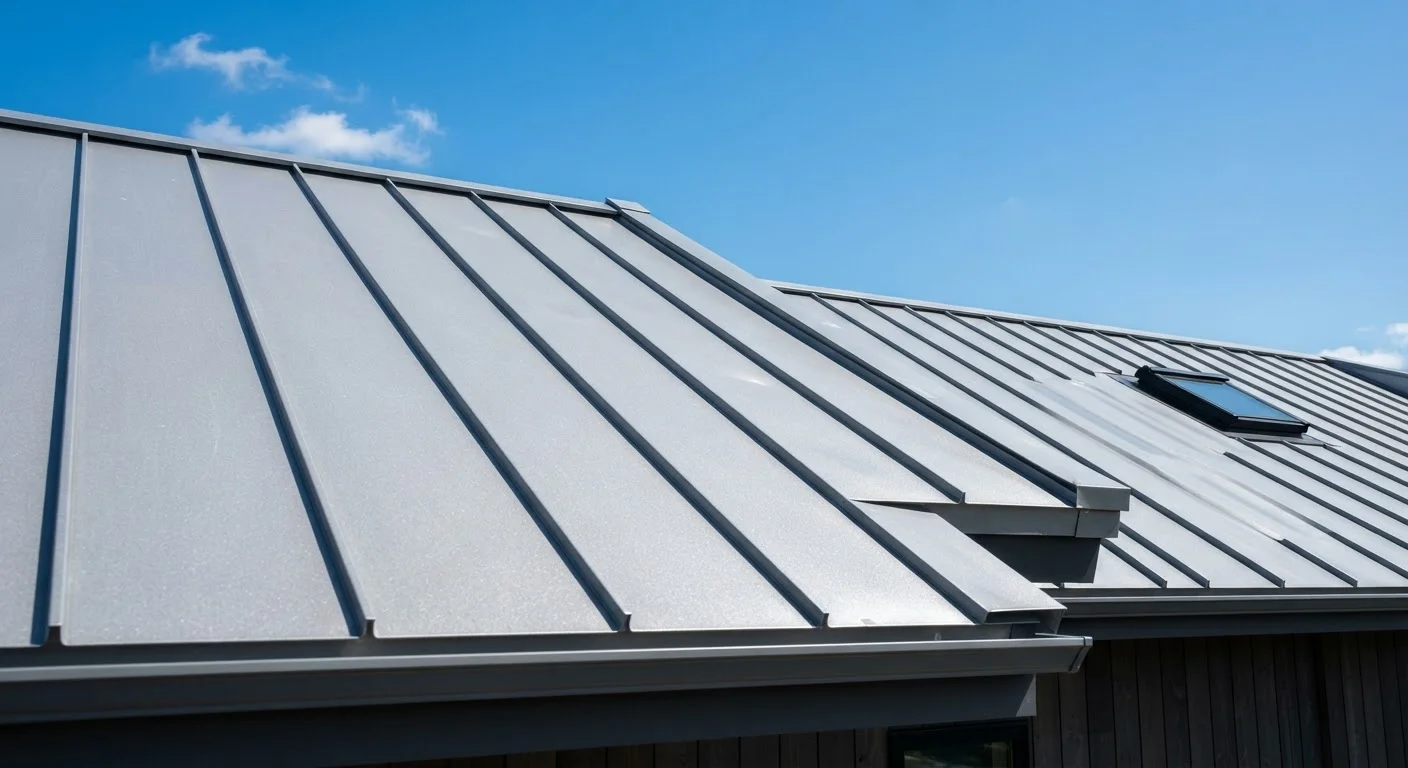
Metal roofing covers several distinct product types — standing seam panels, exposed-fastener panels, and metal shingles designed to mimic slate or wood shake. Each installs differently and carries its own performance characteristics, but they share the same core advantages and drawbacks that separate metal from asphalt, tile, or wood options.
Understanding those trade-offs clearly is the first step toward deciding whether metal is right for your home. For a broader look at how it compares to the most common alternative, see our side-by-side comparison of metal and asphalt shingles.
The Real Advantages of Metal Roofing
Metal roofing's most significant selling point is longevity. A properly installed metal roof can last 40 to 70 years depending on the material — steel, aluminum, copper, or zinc — and the quality of the finish coating. That compares favorably to asphalt shingles, which typically last 20 to 30 years under normal conditions.
Exceptional lifespan of 40–70 years
Metal roofs substantially outlast standard asphalt shingles, meaning most homeowners will not need to replace the roof again during their lifetime.
Strong performance in extreme weather
Metal sheds snow efficiently, resists wind uplift, and is non-combustible — advantages that matter in snowy, high-wind, or wildfire-risk regions.
Lower long-term maintenance demands
While not maintenance-free, metal requires less frequent upkeep than wood shake or asphalt, reducing the ongoing cost of ownership over time.
Reflects solar heat, potentially reducing cooling costs
Many metal roofing finishes reflect radiant heat rather than absorbing it, which can ease air conditioning load during hot summers.
Beyond lifespan, metal performs well under weather stress. It sheds snow efficiently due to its low-friction surface, resists high winds, and is non-combustible — a meaningful consideration in wildfire-prone regions. Metal also reflects solar radiation rather than absorbing it, which can reduce summer cooling loads in warmer climates.
The Real Disadvantages Worth Knowing
Cost is the most immediate obstacle for most homeowners. Metal roofing installation typically runs two to three times the cost of a comparable asphalt shingle job, depending on the product type, roof complexity, and local labor rates. That upfront gap can feel significant even when the long-term math favors metal.
Significantly higher upfront installation cost
Metal roofing installation typically costs two to three times more than comparable asphalt shingle work, which can be a barrier for homeowners on a fixed budget.
Increased noise during rain and hail
Without adequate insulation and solid sheathing, precipitation can be noticeably louder on a metal roof than on asphalt or tile, though proper installation mitigates this.
Thermal expansion can stress fasteners over time
Metal panels expand and contract with temperature swings; if not installed with appropriate allowances, this movement can loosen fasteners or compromise seams.
Specialized installation requires experienced contractors
Improper installation of metal roofing — particularly standing seam systems — can lead to leaks or panel failures, so finding a qualified installer is critical.
Noise is another factor that surprises some homeowners. Rain and hail hitting a metal surface can be louder than on an asphalt or tile roof — though this is largely manageable. Solid roof decking, rigid insulation boards, and attic insulation all help dampen sound substantially. A contractor experienced with metal installations should be able to walk you through noise-reduction strategies before work begins.
Metal also expands and contracts with temperature changes. Over time, this thermal movement can loosen fasteners or cause panel seams to work if the system wasn't designed and installed to accommodate it. Standing seam systems handle this better than exposed-fastener panels, because the panels are designed to float freely.
Cost Context: What Drives the Price
Metal roofing costs vary considerably based on material choice. Steel is generally the most affordable metal option; copper and zinc sit at the premium end and are rarely used for full residential roofs. Panel style matters too — standing seam systems cost more to install than exposed-fastener options because of the additional labor involved in interlocking the seams.
40–70 yrs
Typical metal roof lifespan
Industry sources generally cite 40 to 70 years for metal roofing depending on material type and coating quality, compared to 20–30 years for standard asphalt shingles.
2–3×
Higher upfront cost vs. asphalt shingles
Metal roofing installation is commonly estimated at two to three times the installed cost of a comparable asphalt shingle roof, varying by product type and regional labor rates.
Roof pitch, accessibility, and whether old roofing needs to be removed before installation all affect the final price. A detailed roofing cost and planning guide can help you map out the full budget before you request quotes. Always get written, itemized estimates from at least three licensed contractors so you can compare scope, not just bottom-line numbers.
Common Misconceptions About Metal Roofs
Two myths come up repeatedly when homeowners research metal roofing. The first is that metal roofs attract lightning. They do not — lightning strikes the tallest nearby object regardless of material. Metal's non-combustibility actually makes it a safer choice in a lightning strike compared with wood materials. For more on separating roofing fact from fiction, see our article on common myths about long-lasting roof materials.
The second misconception is that metal roofs are maintenance-free. They require less frequent attention than asphalt shingles, but periodic inspections remain important — particularly around penetrations, flashing, and fasteners. Debris accumulation in valleys and gutters should be cleared regularly to prevent moisture retention.
Permits and Inspections Often Apply
In most U.S. jurisdictions, replacing a roof — including installing metal roofing — requires a building permit and inspection. Requirements vary by municipality, so check with your local building department before work begins. A reputable contractor should be familiar with local permit requirements and handle filings on your behalf, but verifying this upfront is your responsibility as a homeowner.
If you're weighing metal against other premium options, our overview of slate roofing covers another long-lasting material with its own significant cost and structural considerations.