

What You Can Expect to Pay
Walk-in tub projects typically range from around $3,000 to $20,000 or more, depending on the tub model, installation complexity, and your bathroom's existing layout. That wide range reflects genuine differences — not just marketing. A basic soaking tub with minimal installation work sits at the lower end; a hydrotherapy model with electrical upgrades, floor reinforcement, and custom tile work pushes costs higher.
For most homeowners, a mid-range project — a standard walk-in tub with professional installation and modest bathroom modifications — falls somewhere between $5,000 and $12,000. These are general estimates; your actual costs will depend on the specifics of your home and the contractors in your area.
To understand what's driving those numbers, it helps to break costs into two main categories: the tub itself, and everything involved in installing it.
Factors That Affect the Cost of the Tub
The tub unit is often the largest single line item. Prices vary based on several features:
- Tub type: Soaking tubs are the most affordable. Air-jet, whirlpool (water-jet), and combination hydrotherapy models add cost — sometimes significantly. Learn more about the different walk-in tub types and who they're designed for before choosing a model.
- Door style: Inward-opening doors are standard; outward-opening or dual-entry doors typically cost more.
- Size and configuration: Larger tubs, bariatric models (designed for heavier users), or two-person tubs carry higher price tags.
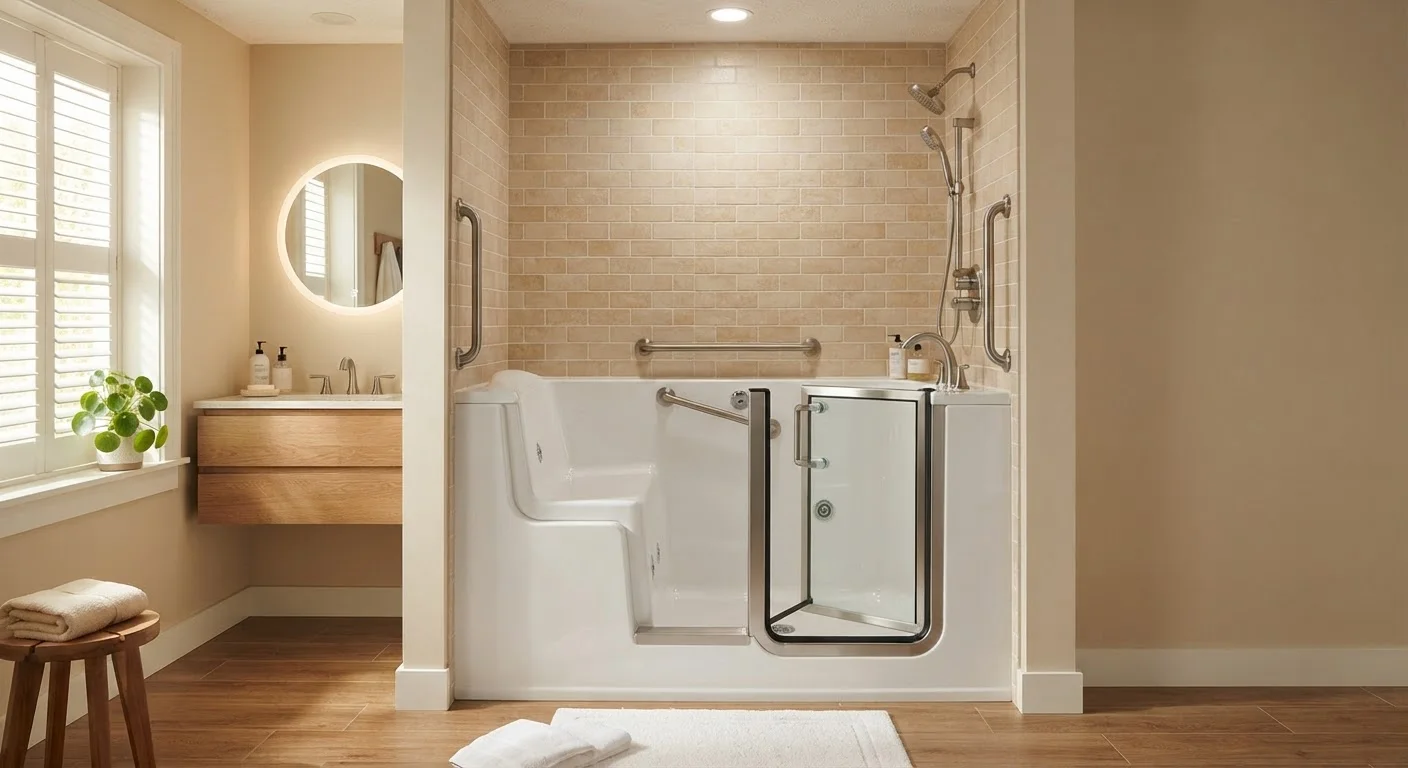
- Built-in safety features: Grab bars, anti-slip flooring, low entry thresholds, and handheld showerheads are sometimes included, sometimes priced as add-ons.
- Heated surfaces: Heated seats and backrests are comfort features that add to unit cost.
It's worth noting that some features marketed as premium upgrades — like chromotherapy lighting — are optional. Focus first on the safety and accessibility features that serve your actual needs. Several walk-in tub myths can mislead buyers into paying for features they don't need.
Installation Costs and What Drives Them
Labour and installation typically account for 30–50% of the total project cost. Key variables include:
- Removing the existing tub or shower: Demolition and disposal add labour hours. If tile removal is required, costs rise further.
- Plumbing modifications: Walk-in tubs require a fast-fill faucet and may need drain repositioning or supply line upgrades. This work must be done by a licensed plumber.
- Electrical work: Jet systems and heated features require dedicated electrical circuits. A licensed electrician is required for this work — never attempt DIY electrical modifications.
- Floor and wall reinforcement: Older homes may need structural updates to support a filled walk-in tub, which can weigh 500–800 lbs when full.
- Bathroom layout: A tight or non-standard bathroom may require additional framing, custom surround panels, or door relocation.
Permits are often required for plumbing and electrical work. Always confirm local permit requirements with your contractor and your local building department before work begins. Skipping permits can create problems when you sell your home or make an insurance claim.
If you're weighing this against a different accessibility option, comparing walk-in showers and walk-in tubs side by side can help clarify the cost and practicality differences. You can also review what drives walk-in shower installation costs for direct comparison.
How to Build a Realistic Budget
Start by getting at least three written quotes from licensed contractors. Each quote should itemize the tub unit, labour, permits, plumbing, electrical, and any structural work separately — this makes comparison straightforward and prevents surprises.
Set aside a contingency of 10–15% above your quoted total. Hidden issues — water damage behind walls, outdated wiring, or subfloor rot — are discovered only once work begins. A contingency buffer is standard practice, not pessimism. Understanding why bathroom renovations go over budget applies equally to walk-in tub projects.
Ask each contractor to walk you through what's included — and what's not. Questions worth asking:
- Is removal and disposal of the existing tub included?
- What happens if unexpected plumbing or structural issues are found?
- Does the quote include permit fees?
- What warranty covers both the tub unit and the installation labour?
For a broader overview of the full planning process, see the complete homeowner's guide to walk-in tubs.
This article provides general educational information about walk-in tub costs. Actual costs vary significantly based on your location, home conditions, and contractor pricing. Always obtain multiple quotes and verify permit requirements with your local authority before beginning any renovation work.