

Key Takeaways
Non-Standard Window Openings
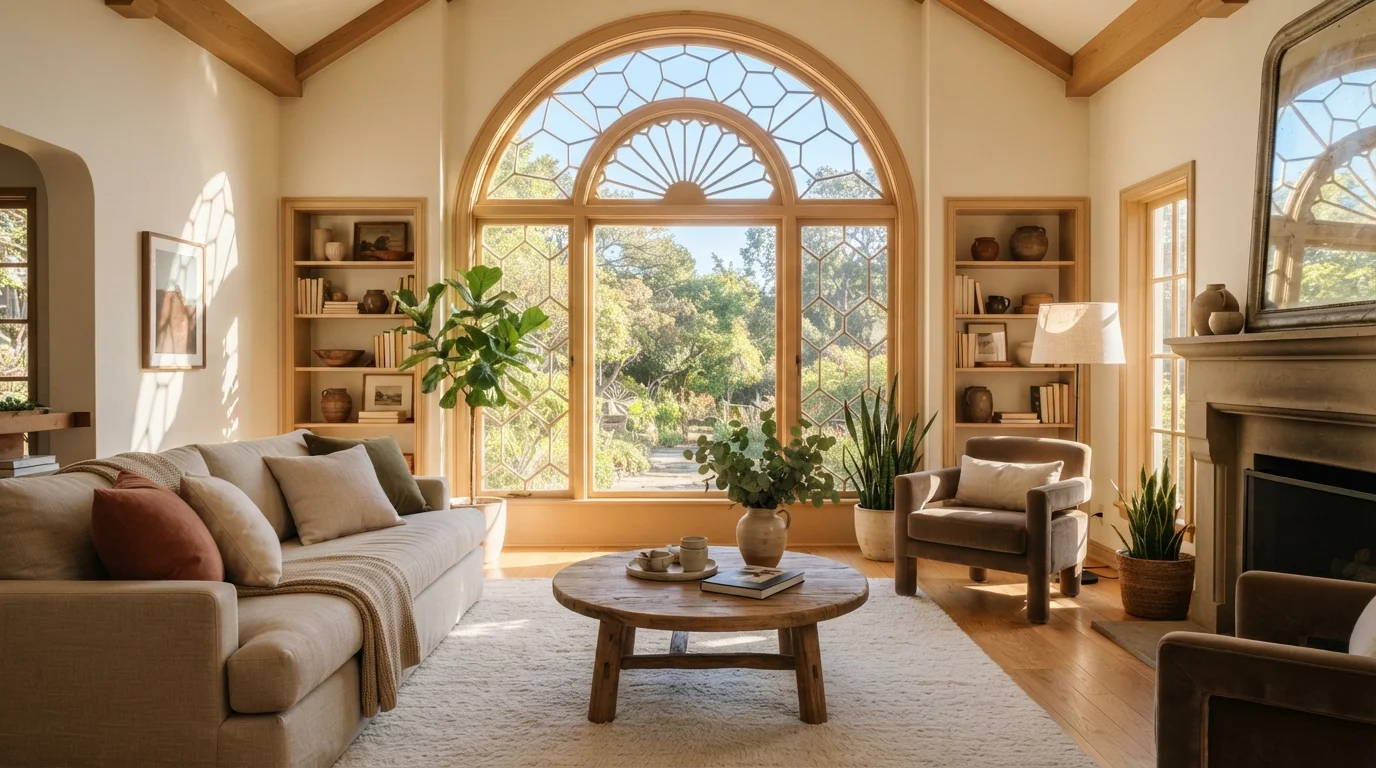
A non-standard window opening is any window size or shape that falls outside the industry's common, pre-manufactured dimensions. This includes oversized windows, curved or arched frames, bay windows, and irregular geometric shapes. Because these windows can't simply be pulled from stock inventory, they typically require custom fabrication, specialized installation, or structural modifications — all of which add to the cost.
In the window industry, 'rough opening' refers to the framed hole in the wall. When that opening deviates from standard dimensions, contractors must either modify the structure or source a made-to-order unit, both of which carry a price premium.
Why Size and Shape Matter in Window Pricing
Most windows sold in the U.S. are built around a set of standard dimensions that align with common rough openings in new construction. When your home's windows fall within those ranges, contractors can often source replacement units quickly and install them with minimal structural modification. The process is relatively predictable — and so is the cost.
But when a window is oversized, unusually narrow, or shaped differently than a rectangle, the equation changes. The window may need to be manufactured specifically for your home, which takes more time and material. Installation may also require extra labor or structural adjustments. Together, those factors can meaningfully raise what you pay compared to a straightforward standard replacement.
Understanding how window dimensions and design shape your final bill helps you budget more accurately and ask better questions when getting contractor estimates. For a broader look at how window decisions affect costs, see our guide to window types and styles.
Oversized Windows: More Glass, More Cost
Larger windows require more glass, larger frame components, and heavier hardware — all of which increase material costs. A window that's significantly wider or taller than standard will almost always be a custom order, meaning lead times extend and per-unit pricing rises.
Beyond materials, oversized windows are physically heavier and harder to maneuver during installation. Contractors may need additional hands on-site or specialized equipment, which can raise labor costs. In some cases, the wall structure may need reinforcement to support the larger unit, particularly if the opening is being widened.
3–5x
Cost multiplier for fully custom specialty shapes
Industry estimates suggest custom arched or geometric windows can cost several times more than a comparably sized standard rectangular unit, depending on complexity and frame material.
20–30%
Typical labor share of window replacement cost
According to general contractor pricing guides, labor often represents a significant portion of total window replacement costs — a share that rises when specialty installation is required.
If structural changes to the wall are involved — such as removing or relocating a load-bearing header — the project enters more complex territory that typically requires permits and inspections. For more on how structural details can drive costs higher, see our article on hidden costs that can raise a window replacement bill.
Specialty Shapes: Arches, Circles, and Geometric Frames
Arched windows, circular windows, and geometric shapes like octagons or trapezoids are among the most expensive to replace. These windows are almost always custom-made, since their shapes don't conform to standard manufacturing runs. The curved or angled framing requires more precise fabrication, and the glazing (glass) must be cut to fit unusual dimensions.
Installation is also more demanding. Fitting a curved window into an existing opening requires careful measurement, precise sealing to prevent air and water infiltration, and often custom trim work inside and out. If the opening's shape has shifted over time — common in older homes — adjustments to the surrounding structure may be needed before the new window can be seated correctly.
Keep in mind that these windows often carry real aesthetic value. How a window's shape affects natural light is worth considering alongside cost, since an arched window in the right room can transform the feel of a space.
Bay and Bow Windows: Compound Complexity
Bay and bow windows project outward from the wall and involve multiple window units set at angles. A classic bay window typically combines a larger center pane with two angled side units, while a bow window uses four or more panes arranged in a gentle curve. Both configurations involve more components, more framing, and more finishing work than a single flat window.
Replacing a bay or bow window often means coordinating interior and exterior carpentry, ensuring the structural support below the unit is sound, and matching trim and roofline details. The cost reflects that complexity. The frame material you choose also plays a significant role in the total, since bay and bow configurations use substantially more framing than standard units.
If your existing bay window has rotted wood, failed flashing, or water damage, additional repair work is typically needed before installation. Homes built before the 1980s may face added complications — our article on cost factors for replacing windows in an older home explains what to watch for.
Getting Accurate Quotes for Non-Standard Projects
Because custom and specialty windows involve so many variables, getting multiple written quotes is especially important. Ask each contractor to break down the estimate into window unit cost, labor, any structural work, finishing materials, and permit fees — separately. This makes it easier to compare quotes fairly and identify where costs differ.
It's also worth asking whether resizing the opening to fit a standard window is a viable option. In some situations, that approach can reduce the cost of the window unit itself, even after accounting for the modification labor. A qualified contractor can advise whether that trade-off makes sense for your home's structure and appearance. For perspective on how replacement windows can affect exterior appearance, it's worth reading up before finalizing your choice.
This article provides general educational information about window replacement costs and is not a substitute for professional assessment of your specific home. Costs vary by region, contractor, and project scope. Always verify local permit requirements before beginning any window replacement project.