

Key Takeaways
Window Shape and Natural Light
The shape, size, and placement of a window directly influence how much light enters a room, at what angle, and during which hours of the day. Tall windows draw in more vertical light, wide windows capture low-angle morning or evening sun, and specialty shapes like arches distribute light in ways a standard rectangle cannot. Understanding these differences helps homeowners choose windows that match how each room is actually used.
In daylighting design, the ratio of window area to floor area — called the window-to-floor ratio — is often used to estimate how well-lit a room will be; a ratio of 10–20% is a common general benchmark for residential spaces.
Why Shape Is About More Than Looks
When homeowners think about replacing windows, shape is often treated as a style decision — something chosen to match the exterior of the house or a design preference. In reality, window shape is one of the most practical choices you can make. It determines the angle at which light enters, how far that light travels into the room, and whether it creates glare or gentle brightness.
A wide, short window placed low on a wall floods the area directly beneath it but does little for the far side of a room. A tall, narrow window placed high delivers light at a steeper angle, pushing brightness deeper across the floor. This difference is significant in rooms where you spend long hours, especially if you rely on natural light for reading, cooking, or working from home.
See our overview of common window styles for a breakdown of the most widely used designs and how they function day to day.
How Different Shapes Distribute Light
Each window shape has a characteristic way of interacting with daylight:
- Rectangular tall windows are the most efficient at directing light deep into a room. The taller the opening, the greater the throw of daylight across the floor.
- Wide horizontal windows work well for capturing low morning or evening sun but provide shallower light penetration. They suit spaces where you want light near the perimeter, like a reading nook or a window seat.
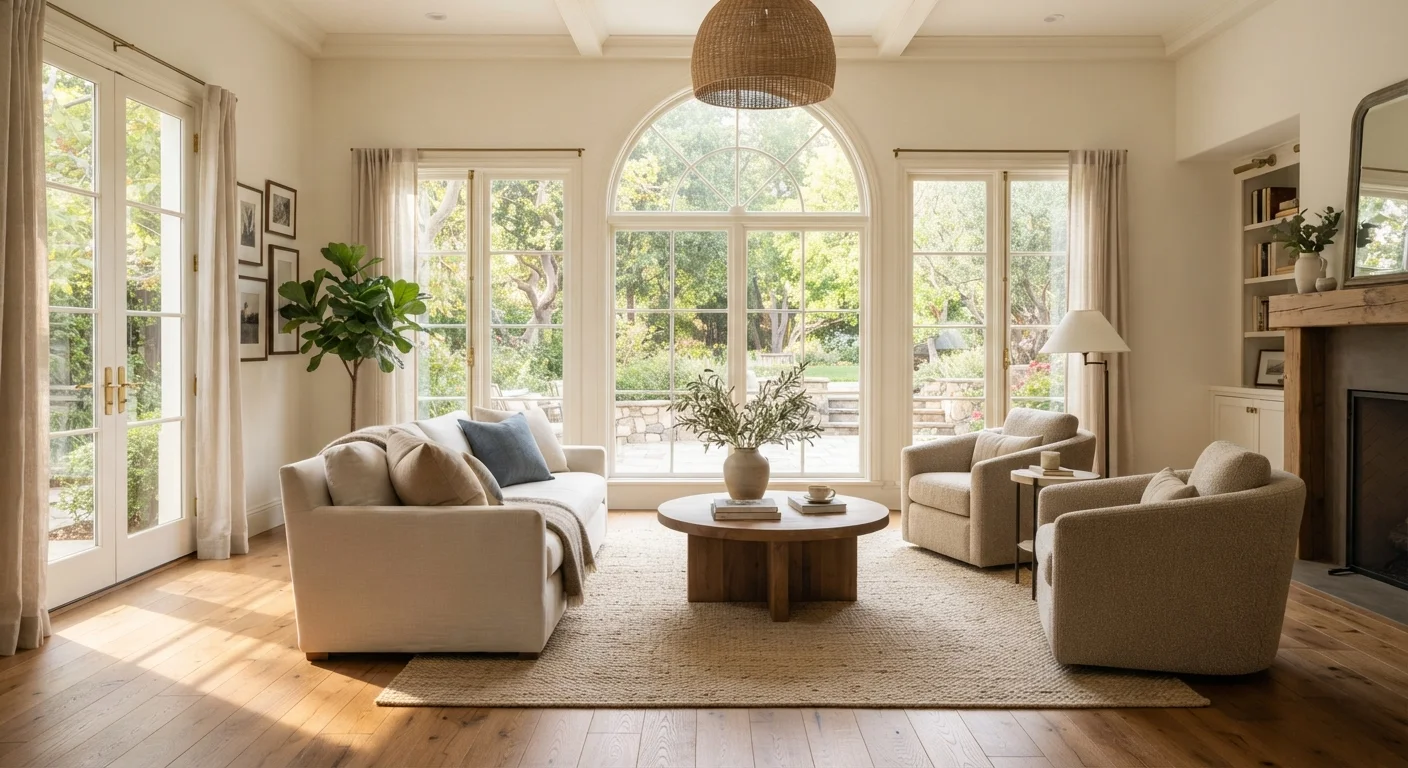
- Arched or round-top windows scatter light at multiple angles as it passes through the curved upper pane. This creates a diffused, even brightness that reduces harsh shadows — particularly useful in entryways and stairwells.
- Clerestory windows — narrow bands of glazing placed near the ceiling — are among the most effective shapes for deep light penetration in rooms where privacy also matters, such as bathrooms or home offices.
- Bay and bow windows wrap light around a corner, illuminating side walls that a flat window cannot reach. They effectively expand how much of a room feels sunlit.
Think About How You Use the Room
Before choosing a window shape, spend a few days noticing when and where you actually need light in each room. Morning cooks in east-facing kitchens have very different needs from evening readers in west-facing living rooms. Matching window design to your real daily rhythms will serve you far better than choosing based on appearance alone.
Understanding how orientation intersects with shape is equally important. For more on that, see our article on solar heat gain by window orientation.
Room-by-Room Considerations
The right window shape depends heavily on how you use a room and what time of day that use peaks:
- Living rooms
- Large openings — particularly tall or bay-style windows — serve living rooms well because these spaces benefit from broad, ambient light throughout the day. Consider whether afternoon sun creates glare on televisions or seating areas before choosing a west-facing shape.
- Kitchens
- Direct sun on countertops can create uncomfortable working conditions. A casement or awning window positioned to the side of a work surface, rather than directly above it, distributes light without directing it straight into your eyes. Garden windows are also a popular choice over the sink, bringing in light from three directions.
- Bedrooms
- Larger openings suit bedrooms where morning light is welcome, but think about whether blackout treatments will be needed if the window faces east. A high horizontal window on a secondary wall can add daylight without the early-morning brightness of a large east-facing opening.
- Bathrooms
- Clerestory-style or frosted glass windows maintain privacy while still brightening the room. Tall, narrow openings placed high on the wall are often the most practical solution.
Balancing Light With Other Priorities
Natural light is only one factor in a window replacement decision. Shape also affects how well a window seals, how it fits the exterior of your home, and what it costs to install. Non-standard shapes — arches, rounds, trapezoids — typically require custom fabrication, which adds to project costs. See our article on how window shape affects replacement pricing for a realistic sense of what to budget.
Architecture also plays a role. A shape that floods a room with light may look inconsistent with your home's exterior style, which can affect curb appeal and resale value. Our guide to matching window style to your home's architecture walks through how to make choices that work inside and out.
Finally, keep in mind that more glazing area also means more potential heat gain or loss depending on orientation. Window shape and energy efficiency are closely linked — a shape that maximizes light in summer may also increase cooling costs if not carefully chosen.
This article is for informational and educational purposes only. Window performance varies based on specific products, installation quality, home construction, and local climate. Consult a qualified window professional to evaluate options appropriate for your home.