

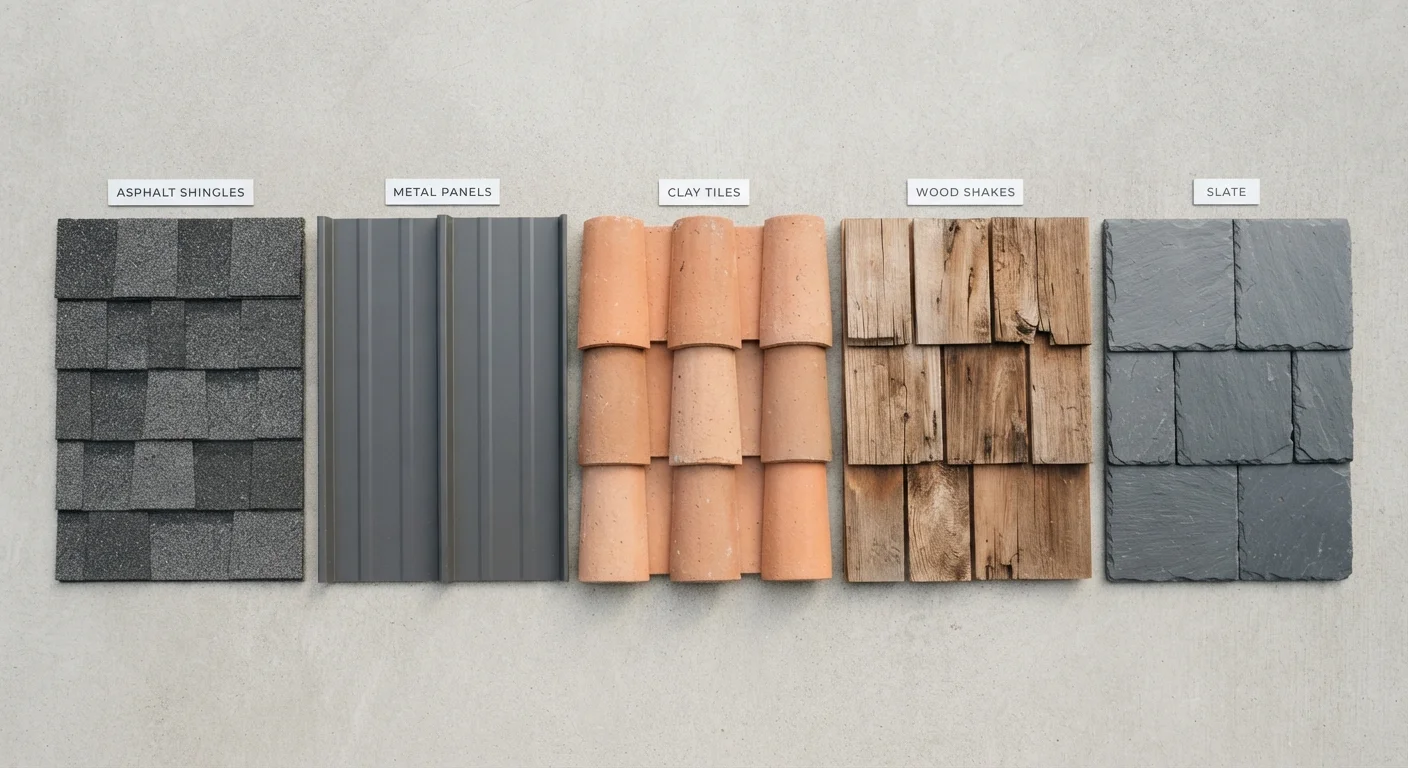
| 3-Tab Asphalt Shingles | 15–20 years (General industry guidance) |
| Architectural Asphalt Shingles | 25–40 years (General industry guidance) |
| Metal Roofing (Steel/Aluminum) | 40–70 years (General industry guidance) |
| Wood Shakes/Shingles | 20–30 years (With regular maintenance) |
| Clay Tile | 50–100 years (General industry guidance) |
| Concrete Tile | 40–50 years (General industry guidance) |
| Natural Slate (Hard) | 75–150 years (General industry guidance) |
| Synthetic/Composite | 30–50 years (Varies by product and manufacturer) |
Why Lifespan Should Drive Your Material Decision
When planning a roof replacement, most homeowners focus first on upfront cost. But the material you choose determines how many times you'll need to replace that roof over the life of your home — and that matters just as much as the initial price tag.
A 3-tab asphalt shingle roof installed for $8,000 may need full replacement in 20 years. A standing-seam metal roof costing twice as much could last 50 years or more. Understanding typical lifespans helps you compare materials on a true long-term basis rather than just sticker price. See our cost and longevity breakdown for a deeper look at how those numbers compare over decades.
Lifespan estimates vary based on climate, installation quality, attic ventilation, and routine maintenance. The ranges below reflect general industry guidance — your local conditions and contractor's workmanship will influence actual outcomes.
| 3-Tab Asphalt Shingles | 15–20 years (General industry guidance) |
| Architectural Asphalt Shingles | 25–40 years (General industry guidance) |
| Metal Roofing (Steel/Aluminum) | 40–70 years (General industry guidance) |
| Wood Shakes/Shingles | 20–30 years (With regular maintenance) |
| Clay Tile | 50–100 years (General industry guidance) |
| Concrete Tile | 40–50 years (General industry guidance) |
| Natural Slate (Hard) | 75–150 years (General industry guidance) |
| Synthetic/Composite | 30–50 years (Varies by product and manufacturer) |
Material-by-Material Lifespan Reference
The following covers the most widely installed residential roofing materials in the U.S., from the most affordable to the most durable.
3-Tab Asphalt Shingles
The entry-level option for most budgets, 3-tab shingles are flat, uniform in appearance, and typically carry a manufacturer warranty of 20–25 years. Real-world lifespan often lands in the 15–20 year range, particularly in regions with temperature extremes or frequent hail. Learn more about why asphalt shingles are so widely used.
Architectural (Dimensional) Asphalt Shingles
A step up from 3-tab, architectural shingles are thicker and layered, giving a textured look and improved wind resistance. They typically last 25–30 years, and premium versions may reach 30–40 years under good conditions.
Metal Roofing (Standing Seam or Exposed Fastener)
Metal roofs — including steel, aluminum, and copper — generally last 40–70 years depending on the metal type and panel style. Standing-seam systems, where fasteners are hidden, tend to outperform exposed-fastener panels. For a side-by-side comparison with asphalt, see metal roofing vs. asphalt shingles.
Wood Shakes and Shingles
Cedar and other wood products typically last 20–30 years with proper treatment and maintenance. They require periodic cleaning, moss/algae treatment, and occasional re-sealing — without upkeep, lifespan shortens considerably. Note: some local fire codes restrict wood roofing in wildfire-prone areas.
Clay and Concrete Tile
Clay tile is extremely durable, with lifespans commonly cited at 50–100 years. Concrete tile is slightly less so, typically lasting 40–50 years. Both add significant structural load — not all homes are built to support them without reinforcement.
Natural Slate
The longest-lived roofing material in common use. Hard slate varieties can last 75–150 years; softer slate varieties typically range from 50–75 years. Slate is heavy, expensive to install, and requires specialist contractors for repair.
Synthetic (Composite) Roofing
Products designed to mimic slate, wood, or tile using engineered materials typically carry warranties of 30–50 years. Performance varies by manufacturer and product line. For a thorough explanation of how these products are made and how they compare to natural materials, see what composite and faux slate actually are.
Architectural Shingles
Also called dimensional or laminate shingles, these are multi-layer asphalt shingles that create a textured, layered appearance. They are thicker and more durable than standard 3-tab shingles.
Standing-Seam Metal Roof
A metal roofing system where vertical panels are joined by raised seams that conceal the fasteners. This design reduces water infiltration points and is among the most durable metal roof styles.
Flashing
Thin strips of metal (typically aluminum or galvanized steel) installed at roof joints, valleys, and penetrations like chimneys and vents. Properly installed flashing prevents water from seeping into vulnerable gaps.
Underlayment
A water-resistant or waterproof layer installed directly on the roof deck beneath the visible roofing material. It provides a secondary barrier against moisture if the outer material is damaged.
Roof Deck
The structural surface — usually plywood or oriented strand board (OSB) — fastened to the roof framing. All roofing materials are installed on top of the deck.
Freeze-Thaw Cycle
The repeated process of moisture in roofing materials freezing and expanding, then thawing and contracting. Over time, this cycling can crack and degrade shingles, tiles, and sealants.
Factors That Shorten (or Extend) a Roof's Life
Published lifespan ranges are guidelines, not guarantees. Several variables push a roof toward the lower or upper end of its expected range.
- Installation quality: Poor workmanship — improper flashing, inadequate underlayment, or incorrect fastening — can cut years off any material's lifespan regardless of what it cost.
- Attic ventilation: Inadequate airflow traps heat and moisture, accelerating shingle degradation and promoting rot in wood decking beneath the roofing material.
- Climate exposure: UV intensity, freeze-thaw cycles, hail frequency, and coastal salt air all affect how quickly materials wear.
- Maintenance: Clearing debris, resealing flashings, and addressing small repairs promptly prevents minor issues from becoming costly failures.
Choosing the right material starts with understanding your local climate and how much maintenance you're prepared to do. Our guide to roofing material options and installation costs can help you weigh those trade-offs. When you're ready to involve a contractor, hiring a roofer walks you through how to evaluate and vet qualified professionals.
Lifespan estimates in this article reflect general industry guidance and are not guarantees of performance. Actual results depend on installation, climate, maintenance, and other site-specific factors. Always consult a licensed roofing contractor for advice specific to your home.